


EPA Deputy Administrator Fotouhi Tours Key Community Sites in Seattle, Washington
Seattle, Washington - Earlier this week, U.S. Environmental Protection Agency (EPA) Deputy Administrator David Fotouhi marked his one-year anniversary of serving in the agency by touring key community sites in Seattle, Washington. Over the course of the two days, Deputy Administrator Fotouhi, alongside EPA Regional Administrator Emma Pokon, toured multiple EPA cleanup projects to learn about the progress being made to turn the once industrial sites into productive areas for the community.
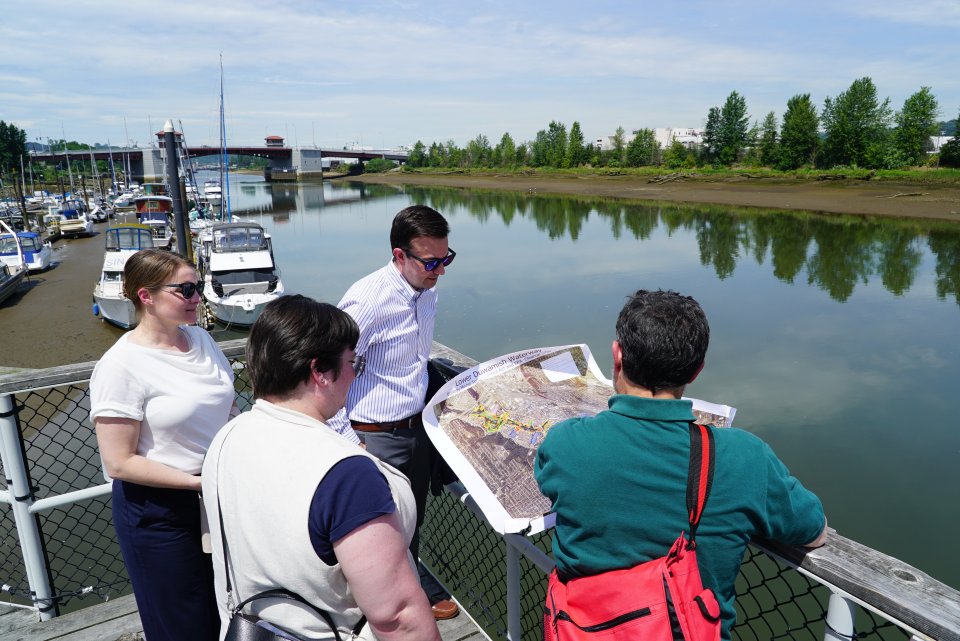
“Over the last year, I have had the honor to work alongside the dedicated men and women of the Trump EPA to put human health and the environment at the forefront of every action. From what I saw in Seattle, it is evident that the work being done by EPA Region 10 across Washington State is playing a key role in advancing this effort,” said EPA Deputy Administrator Fotouhi. “Through cooperative federalism, EPA is not only turning old industrial sites into productive community areas but also building a foundation for future economic development. The agency will continue to work with the communities of Seattle to support clean air, land, and water for all.”
“Since day one, Region 10 has been working tirelessly to achieve measured results across Washington, and the region. Community members understand their unique needs, and it is through partnering with them that we are able to achieve the best results possible,” said EPA Regional Administrator Pokon. “We are proud of the work we are doing to return our communities to wholeness, and Power the Great American Comeback.”
Deputy Administrator Fotouhi’s first cleanup stop was a visit to the Duwamish River People’s Park and Shoreline Habitat. Serving as an important place for community fishing, EPA is working to restore the river back to a state that will allow community members to eat the local fish again. Later, Deputy Administrator Fotouhi toured the Wyckoff Eagle Harbor Superfund site on Bainbridge Island, which will be turned into a community park following cleanup. EPA is continuing to make progress on the permitter wall and is moving forward with remediation and designs for the beach. He also met with staff at EPA’s Manchester Environmental Laboratory who are using gold standard science to test different samples from both the nearby sites and across the country.
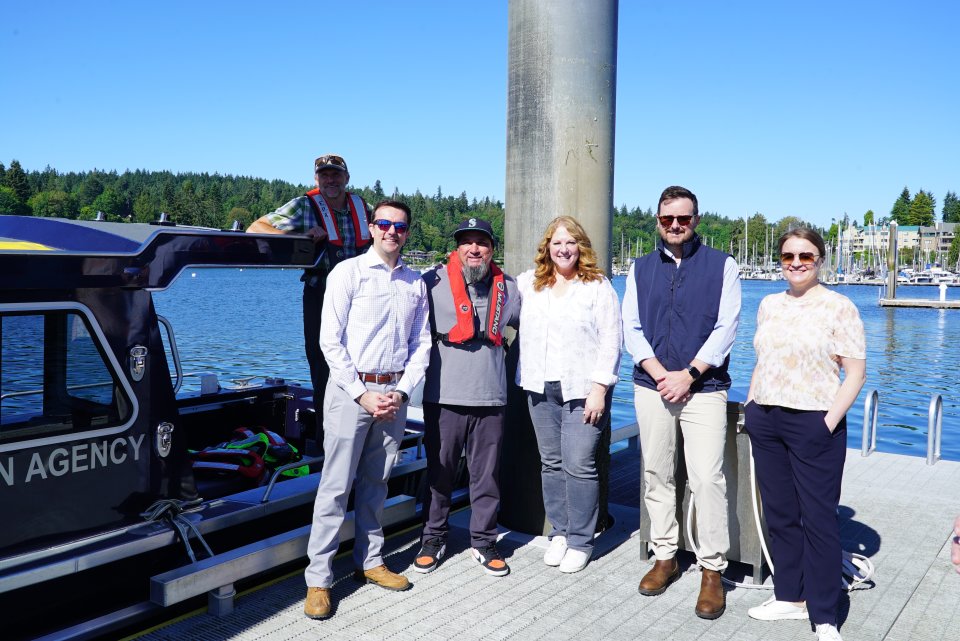
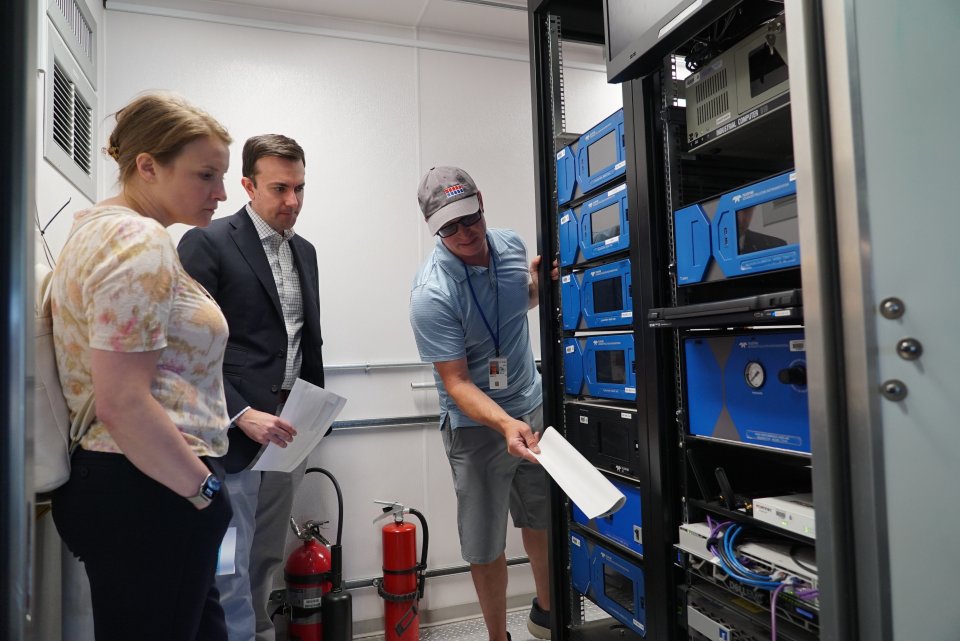
Deputy Administrator Fotouhi also met with several EPA staff members during his time in Seattle, including members of the agency’s emergency response teams, Office of Applied Science and Environmental Solutions, and EPA Region 10’s Seattle Office. In each meeting, he discussed new innovative ways to help accomplish President Trump’s agenda and fulfill the agency’s core mission. He toured Region 10’s enhanced air monitoring vehicle and received an update from the EPA team that responded to the recent tank collapse in Longview, Washington.
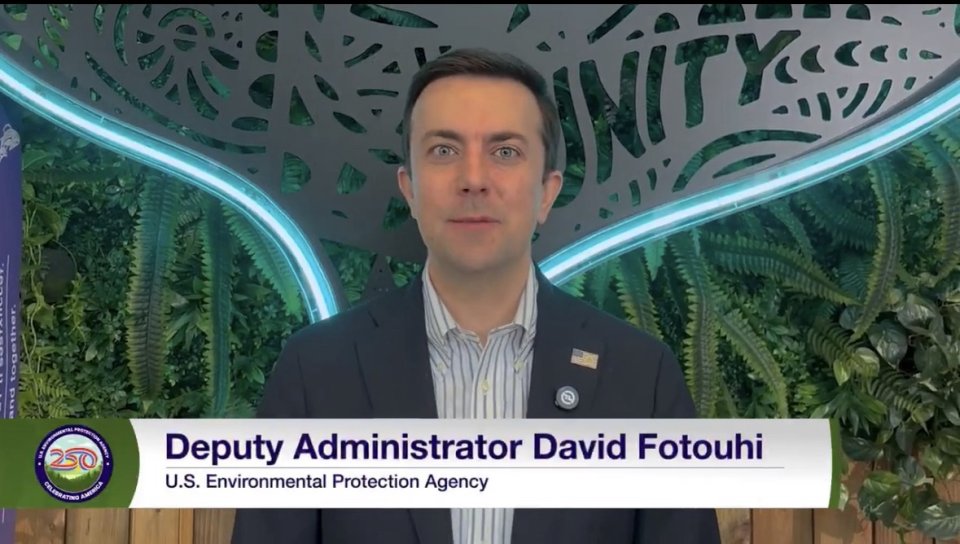
Deputy Administrator Fotouhi attended the grand opening of the Seattle Soccer House, one of the FIFA World Cup’s fan sites. EPA is coordinating with FIFA 2026, U.S. host cities, and local organizing committees to enhance environmental stewardship and sustainability practices for fans, athletes, and communities. This includes supporting the reduction of food waste from FIFA venues through the agency’s Feed It Onward initiative. While at the fan site, Deputy Administrator Fotouhi heard about the partnerships the Seattle Soccer House has made with local shelters to donate leftover food.
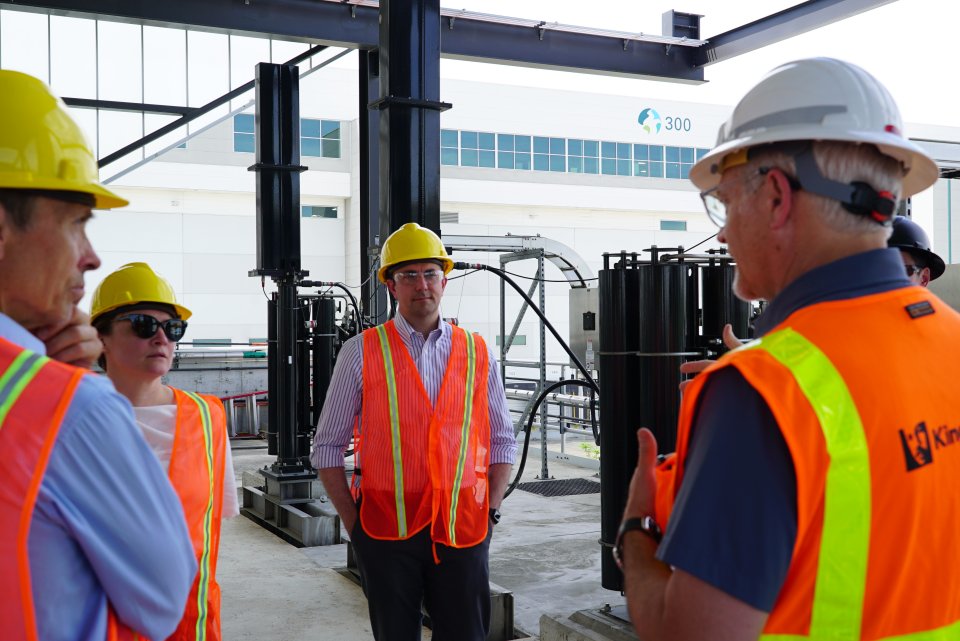
Finally, he met with leadership of the Georgetown Wet Weather Station, operated by the largest clean water utility in Washington State. The station is a recipient of an EPA Water Infrastructure and Finance Innovation Act loan, which is being used to help with 14 major projects. They discussed ways to support continued clean water for King County, while maintaining more affordable utility costs for families in the area.
Background
On June 3, 2026, EPA announced the agency’s new forward-looking Superfund Solutions initiative to accelerate cleanups of more than 1,340 Superfund sites on the Superfund National Priorities List. Through this long-term initiative, EPA will roll out key, gold-standard of science investments to cut red tape, make swift clean up decisions, modernize tools, and increase cooperative federalism to deliver maximum human health and environmental protections.