


EPA Removes Hazardous Stockpile of Flammable Hand Sanitizer in Romulus, New York
Romulus, N.Y. - U.S. Environmental Protection Agency (EPA) has removed approximately 230,000 gallons (920 tons) of expired, alcohol-based hand sanitizer and related waste from a warehouse at the former Seneca Army Depot in Romulus, New York, eliminating a significant fire and safety risk to nearby communities. The material was stored in deteriorating containers inside a building without fire suppression systems or active utilities, creating conditions that could have led to a fire or explosion if left unaddressed.
“Large stockpiles of alcohol-based flammable materials like this can quickly become dangerous when not properly stored,” said EPA Regional Administrator Michael Martucci. “This was a real fire risk, but EPA removed the material that was haphazardly stored before it could put people and neighboring communities in danger.”
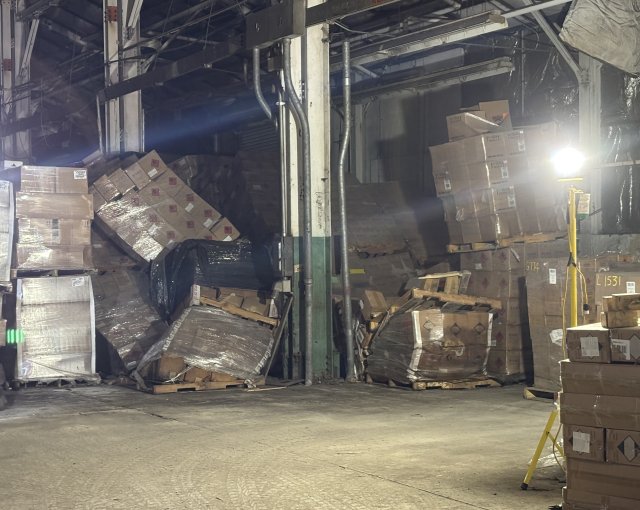
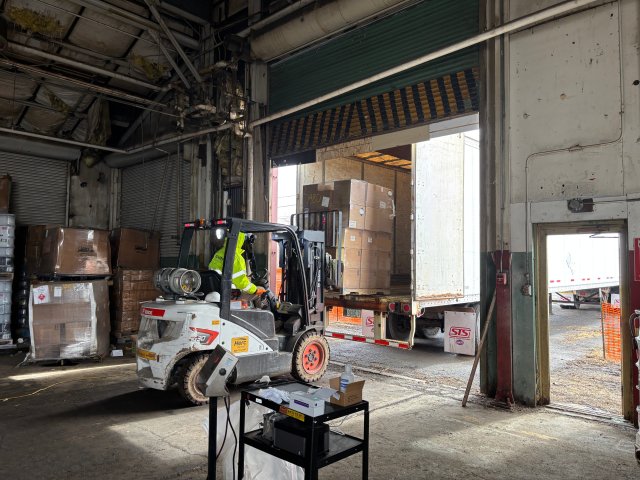
EPA began work at the site in September 2025 at the request of the New York State Department of Environmental Conservation. Crews inventoried, repackaged, and consolidated hundreds of pallets and containers of sanitizer and related waste to prepare them for safe removal. EPA then loaded the material into secure shipping containers and transported it off-site to approved recycling and disposal facilities.
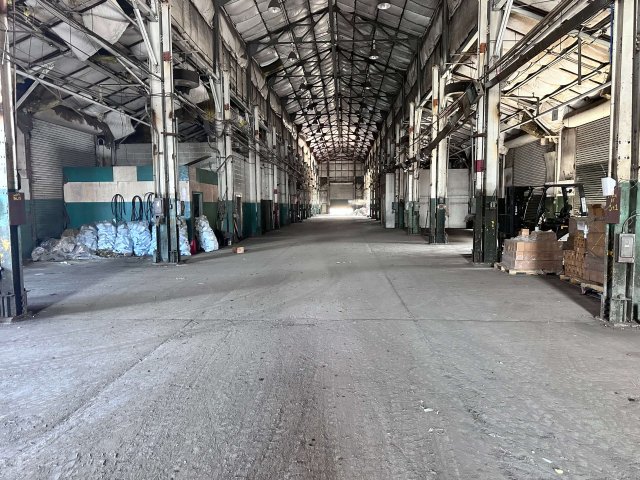
EPA will continue coordinating with state partners and pursue appropriate enforcement actions to hold responsible parties accountable for the costs of the cleanup.
The hazards tied to expired sanitizer are not unique to Romulus. In January 2026, EPA completed a similar cleanup at a warehouse on Highland Avenue in Niagara Falls, New York, where the agency addressed hazardous conditions involving large volumes of stored sanitizer. EPA also continues to respond to a fire-related incident at the Eco Operations facility in Gorham, New York, where large quantities of expired sanitizer contributed to a major fire in August 2025. Though the product is commonly used in small amounts, stockpiles of this size can create serious fire and safety risks, particularly in older or poorly maintained buildings.
Follow EPA Region 2 on X, Instagram, and visit our Facebook page. For more information about EPA Region 2, visit our website.
26-009