


EPA Mid-Atlantic Regional Administrator Visits Dog Tag Bakery to Highlight Food Waste Solutions and Veteran Entrepreneurship
WASHINGTON – U.S. Environmental Protection Agency (EPA) Mid-Atlantic Regional Administrator Amy Van Blarcom-Lackey joined leaders of Dog Tag Bakery on Wednesday for a behind-the-scenes tour, highlighting efforts to reduce wasted food, support local communities, and create opportunities for veterans, military spouses, and caregivers through entrepreneurship and business education. The bakery is one of EPA’s Feed It Onward partners, a program that reduces food waste by helping communities and businesses share edible food, compost scraps, and find other productive uses for food and organic materials.
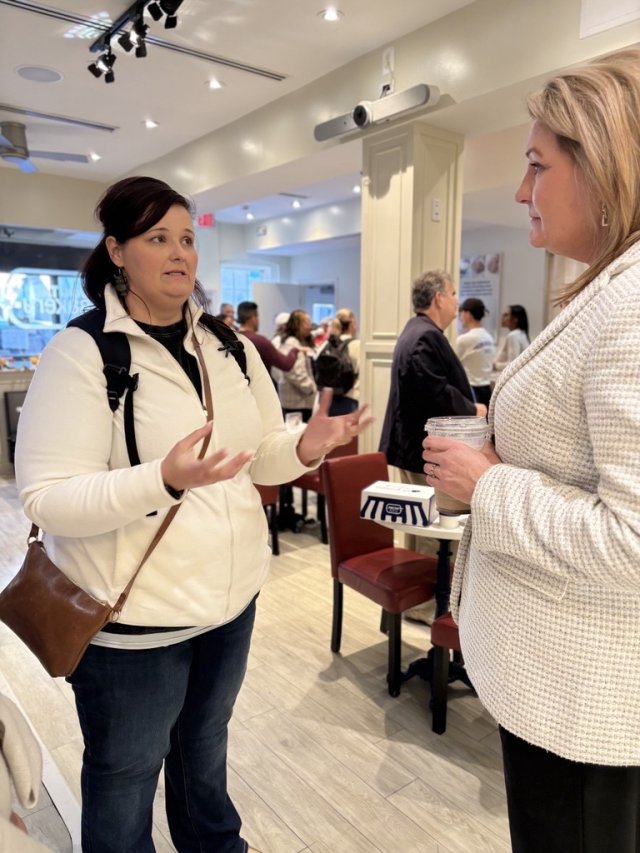
The visit comes one day before Dog Tag celebrates the graduation of its newest class of fellows from its five-month entrepreneurial fellowship program, which combines classroom instruction, hands-on business experience, and professional development to help members of the military community transition into new careers.
“Dog Tag Bakery shows how environmental stewardship, small business success, and community impact can go hand in hand,” said EPA Mid-Atlantic Regional Administrator Amy Van Blarcom-Lackey. “This holiday season, we’re reminded that food is meant to nourish and connect us, yet too much of it goes uneaten. Through the Feed It Onward initiative, EPA is working to reduce food waste and help ensure edible food reaches families in need. Dog Tag Bakery is putting those principles into practice, and we're proud to be here and highlight their work today.”
During the visit, Regional Administrator Van Blarcom-Lackey learned about Dog Tag’s approach to food management, community engagement, and entrepreneurship education
As a nonprofit social enterprise committed to thriving communities, Dog Tag Bakery puts the mission into practice by repurposing remnants, donating unsold baked goods to Georgetown Ministry Center, who care for the unhoused in our neighborhood, and participating in sustainability programs implemented by our own Fellowship graduates.
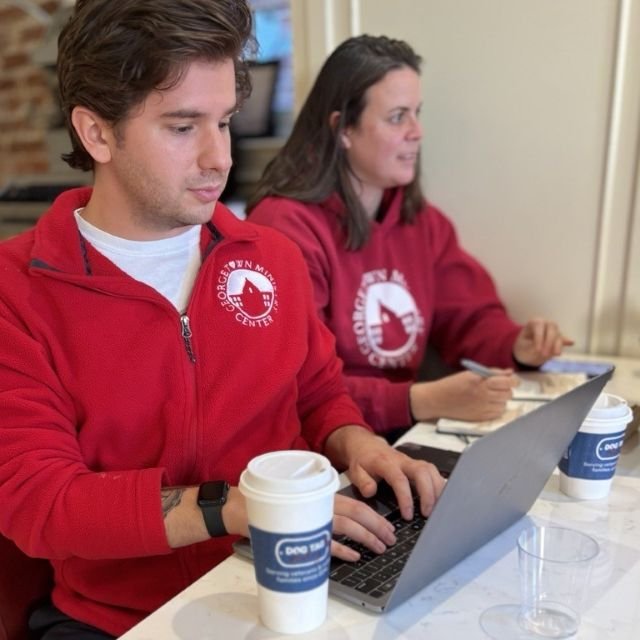
Fields4Valor is a 7-acre farm that supplies fresh produce, eggs, and raw honey to veteran families in need and JBAB food pantry battles food insecurity for military families on base at Joint Base Anacostia-Bolling, both of which are ‘fed’ by Dog Tag.
Founded in 2014, Dog Tag Bakery operates as both a neighborhood bakery and a business classroom. Through its entrepreneurial fellowship program more than 400 veterans, military spouses, and caregivers have gained practical business experience while earning a business certificate through Georgetown University’s School of Continuing Studies.
“Dog Tag Bakery, in Georgetown, is the home of our nonprofit, empowering military families, but the heart of a social enterprise is to encourage the whole of our community to flourish. Cultivating standard operating procedure around minimizing food waste while maximizing impact, nationwide, proves we're stronger together,” said Maureen Devine-Ahl, Interim CEO, Dog Tag Inc.
About Dog Tag Bakery
Located in Washington, D.C.’s Georgetown neighborhood, Dog Tag Bakery is a nonprofit social enterprise that empowers veterans, military spouses and caregivers through entrepreneurship, education and community building. Its five-month fellowship program combines academic coursework, hands-on experience operating a small business, wellness activities and professional development opportunities.
Learn more about Dog Tag Bakery and its fellowship program.
About Feed It Onward
EPA’s Feed It Onward initiative is a voluntary program that partners with farms, restaurants, grocery stores, food brands, nonprofits, and other organizations to reduce wasted food and support communities through food donation and other beneficial uses of food resources.
Dog Tag is among EPA’s Feed It Onward partners in the Mid-Atlantic region, joining organizations across the country working to keep food and other valuable organic materials out of landfills.
Feed It Onward is part of the nation’s Freedom 250 celebration and highlights practical ways to keep food out of the waste stream, including donation, animal feed, composting, and other uses.