


Protecting Kids from Lead: Federal Leaders Visit Philadelphia Hospital to Promote Prevention and Safe Housing
EPA, HHS, and HUD Regional Administrators Visit St. Christopher’s Hospital for Children to Highlight Lead Poisoning Prevention, Testing, and Safe Housing
PHILADELPHIA - Regional Administrators from U.S. Environmental Protection Agency (EPA), U.S. Department of Health and Human Services (HHS), and U.S. Department of Housing and Urban Development (HUD) visited St. Christopher’s Hospital for Children in Philadelphia today to underscore a shared commitment to protecting children from lead exposure.
The visit highlighted the importance of public education, housing remediation, clinical screening, and safe drinking water as part of a coordinated federal effort to help families identify and reduce lead risks in their homes and immediate surroundings. Under the message “Get the Facts and Get Your Home Tested,” the agencies emphasized that parents and caregivers can take practical steps to protect children from lead in paint, dust, soil, and drinking water.
“Every child deserves to grow up in a safe environment, free from the preventable harms of lead exposure,” said EPA Mid-Atlantic Regional Administrator Amy Van Blarcom-Lackey. “At EPA, we are focused on the facts: replacing lead service lines, supporting clean and safe drinking water, and giving families the tools they need to understand and reduce risks in their homes. This is about protecting children today and preventing harm for generations to come.”

The visit also highlighted the role of federal investment in addressing legacy infrastructure and older housing stock, especially in communities that have historically faced higher environmental and health burdens. EPA is working with local and state partners to replace lead service lines and support clean drinking water in schools, childcare facilities, and residential systems across the region.
“Childhood lead poisoning is a public health issue that we can and must prevent,” said HHS Regional Director Tatiana Villa. “Clinical screening, family education, and early intervention are critical pieces of the solution. By working with EPA and HUD, we can better connect families to the information and resources they need to protect their children’s health.”
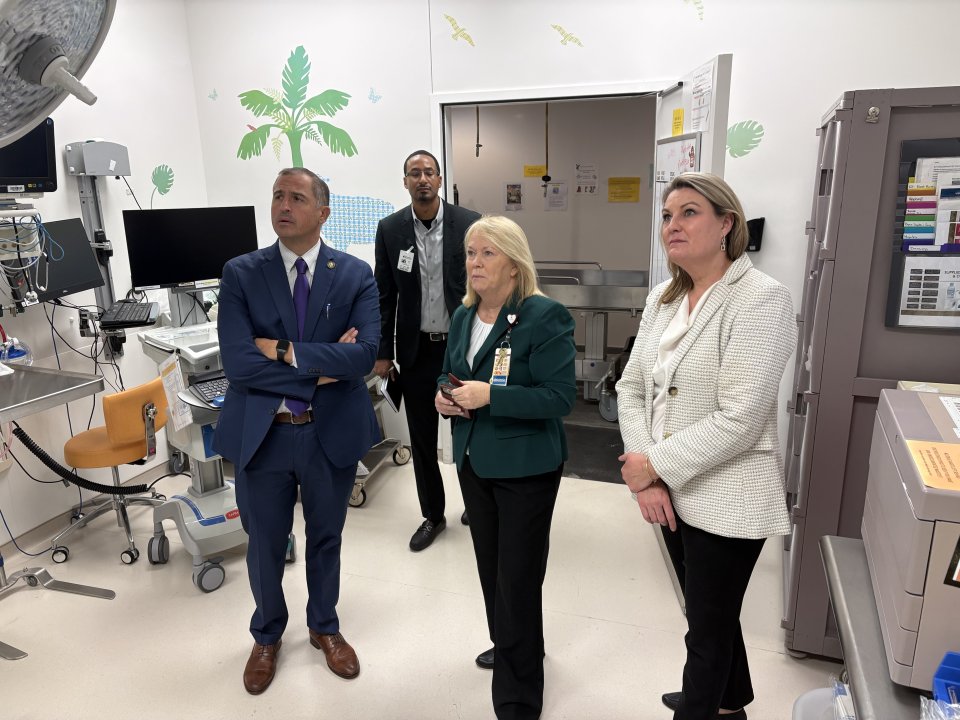
The agencies also stressed the importance of housing-related protections, including lead paint abatement and remediation in older homes, apartments, and public housing.
“Safe housing is a foundation for healthy families,” said Joseph DeFelice, HUD Assistant Deputy Secretary for Field Policy and Management and Region III Administrator. “HUD is committed to working with our federal partners and local leaders to reduce lead hazards in homes and neighborhoods, especially in communities with older housing stock. Collaboration is essential if we want to make real progress and ensure that every child has a chance to thrive.”
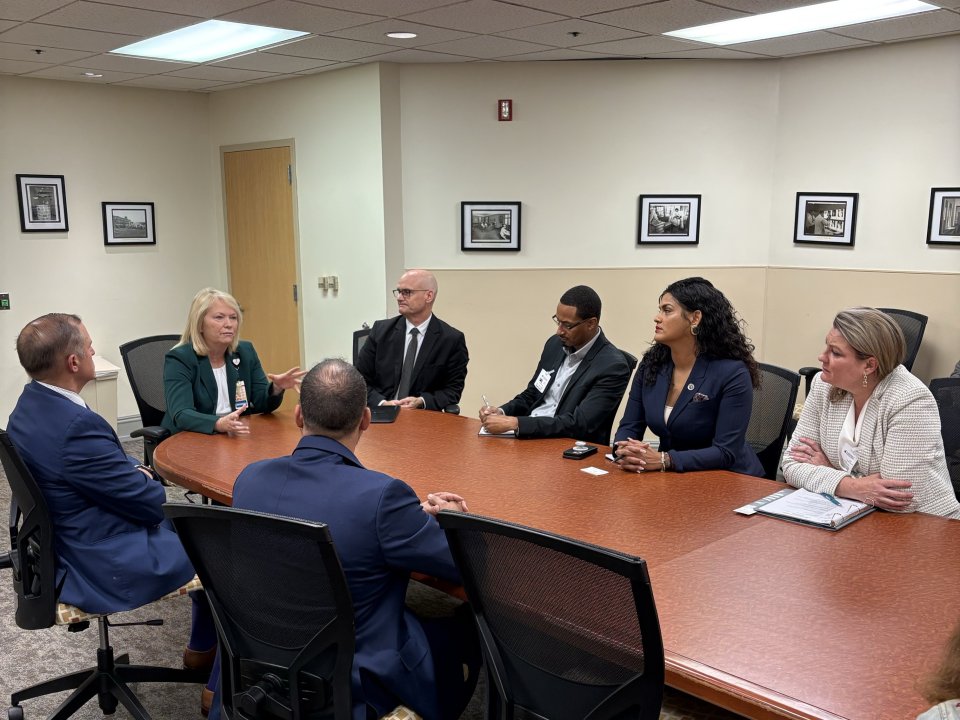
Together, the agencies are aligning environmental protection, housing mitigation, and health screening to address childhood lead poisoning from multiple angles. The joint visit underscored the power of interagency collaboration and the importance of focusing federal attention and resources on communities where children may face elevated risks.
The visit at St. Christopher’s Hospital for Children reflected a shared federal commitment to protecting children’s health, supporting community education, and ensuring that families have access to actionable tools and trusted information.
“At St. Christopher’s, keeping children healthy has been our mission for more than 150 years. When we help families prevent lead exposure, we are protecting children's ability to learn, grow, and reach their full potential. We are proud to stand alongside our community and public health partners in this important effort to keep kids safe,” said Claire Alminde, President, St. Christopher's Hospital for Children.
Families seeking to learn more about lead risks in their homes can:
- Get their home tested for lead hazards
- Check whether their drinking water service line may contain lead
- Talk with their health care provider about lead screening for children
- Use federal, state, and local resources to reduce exposure risks
For more information about lead, visit:
- Centers for Disease Control and Prevention: Childhood Lead Poisoning Prevention Communication Resources and Tools
- City of Philadelphia: Lead and Healthy Homes Program
- Philadelphia Regional Center for Children's Environmental Health (PRCCEH): PRCCEH Lead Focus Area
- EPA: Learn About Lead
- EPA: Frequent Questions About Lead
- EPA's Lead-based Paint Professional Locator
- HUD: Healthy Homes
- The President’s Task Force on Environmental Health Risks and Safety Risks to Children