


Common Sense RCRA Reform Strategy
What is RCRA?
The Resource Conservation and Recovery Act and implementing regulations establish the framework for safe waste management in the United States. Subtitle D of the Act is dedicated to non-hazardous waste requirements and Subtitle C focuses on hazardous waste.
Waste management is critical for economic growth, stability, and the protection of human health and the environment. Without a framework of clear and effective waste management requirements, improperly disposed of solid and hazardous waste would hamper the economy and impair the health of Americans. The waste management community is a large, diverse group that must understand and comply with RCRA regulations. This group includes businesses that generate, transport, treat, store, and dispose of waste and hazardous waste as well as government agencies such as states, territories, and Tribes.
Learn more on our History of RCRA webpage.
About the Common Sense RCRA Reform Strategy
To Power the Great American Comeback, the U.S. Environmental Protection Agency is modernizing the requirements for waste management under the Resource Conservation and Recovery Act. Through a new strategy called, “Common Sense RCRA Reform,” EPA is improving waste management rules with a clearer focus on practical and protective outcomes.
Common Sense RCRA Reform includes a series of actions to modernize the RCRA program in collaboration with regulatory and regulated entities. These are actions that demonstrate EPA’s continued commitment to:
- Reduce unnecessary burdens in RCRA permitting to lower the cost of living for Americans.
- Recover critical minerals and materials that have been trapped in waste streams.
- Respond with solutions to unusual or unique waste management scenarios.
- Revitalize waste management to reflect today’s innovative technologies.
- Retain environmental and human health protection while supporting economic growth.
- Renew efforts to accelerate the pace of cleanups.
EPA is committed to conducting this work transparently and to providing meaningful opportunities for public participation.
Successes
e-Manifest
On March 5, 2026, EPA announced a significant step forward in modernizing the nation’s cradle-to-grave hazardous waste tracking process – proposing a date for finally shifting to 100% electronic manifests in e-Manifest. This proposal saves valuable time, resources and dollars for industry and states by phasing out the use of paper manifests. It also results in real-time tracking of all hazardous waste shipments, prevents illegal dumping, limits public exposure to toxic materials, and ensures strict regulatory accountability across the nation.
Scrap Tires
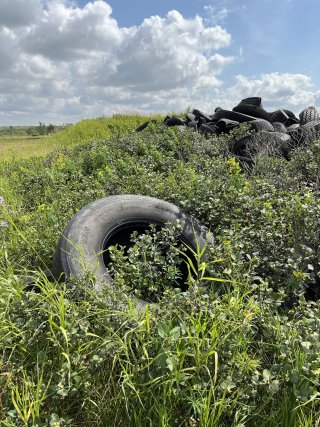
On March 23, 2026, EPA issued a proposal to help clean up millions of illegal abandoned tires. If finalized, the proposal would allow permitted facilities to use abandoned scrap tires as fuel, clearing the path for faster cleanup of tire piles. The proposal would also allow whole abandoned scrap tires to be used in cement kilns as non-waste fuel and allow established tire collection programs to manage all scrap tires used as fuel in the same way.
These changes would reduce risks from tire pile fires and the breeding grounds they become for disease-carrying animals. Together, these changes will make communities safer and healthier and will enhance the recovery of valuable energy resources.
Petitions
EPA has also been responding to several petitions from industry and others. For example, on February 6, 2026, EPA proposed to grant, with conditions, U.S. Ecology Nevada, Inc.’s petition for a variance from the ban on land disposal of elemental mercury. On June 26, 2026, EPA finalized the petition, which helps address the current stockpile of mercury wastes that are stored indefinitely at Department of Energy-designated treatment, storage and disposal facilities.
EPA determined that the proposed monofill location minimizes the potential for mercury migration or leaching from the treated waste. This protects people from being exposed to mercury, a potent neurotoxin that can cause nervous system damage. The agency also determined that the published treatment process minimizes the risk to human health by providing an alternate option to indefinite storage at approved facilities across the country. This action provides a tailored, site-specific approach for the treatment and land disposal of elemental mercury while protecting human health and the environment.
Similarly, on February 26, 2026, EPA approved the Clean Harbors Lone Mountain, LLC, "no-migration" variance petition to temporarily store treated hazardous waste in a permitted RCRA Subtitle C landfill. On June 23, 2026, EPA approved the Clean Harbors Grassy Mountain, LLC, petition.
Permitting
Another area of focus for EPA is modernizing RCRA hazardous waste permitting. The agency is planning a series of virtual engagement sessions to discuss opportunities for improving and streamlining the RCRA Hazardous Waste Permitting Program and gathering input from key parties.
The sessions will focus on selected topics related to permitting efficiency and implementation specific to post-closure, permit modifications, permit renewals, and financial assurance. The agency plans to identify bolder reforms for RCRA hazardous waste permitting. EPA intends to engage with states, industry, and the public to seek input with respect to permitting reform strategy.
Additional Actions
Request for Information on Solid Waste-846 Methods Updates - Data collection outreach to address issues with the "Toxicity Characteristic Leaching Procedure" and overall plan for SW-846 method updates. Published Oct. 2026.
Accelerating the Pace of Hazardous Waste and Underground Storage Tank Release Site Cleanups - EPA issued a policy statement that encourages implementing agencies to evaluate their old and new tank releases based on current and potential threats of exposure. EPA continues to work with states to identify obstacles that have led to stalled hazardous waste and UST release cleanup sites. Published Sept. 2025.