


Resource Conservation and Recovery Act 50th Anniversary
Marking 50 Years of Progress
In 2026, EPA marked the 50th anniversary of the signing of the primary law governing the disposal of solid and hazardous waste – the Resource Conservation and Recovery Act (RCRA). Imagine a world where toxic chemicals seep into our water and midnight dumping renders waterways lifeless, where hazardous waste is haphazardly discarded on land, and houses are built over uncontrolled dump sites, where trash is commonly burned in the open, sending thick black smoke through neighborhoods. Welcome to America before the Resource Conservation and Recovery Act.
On October 21, 1976, President Ford signed RCRA in order to address the increasing problems the nation faced from our growing volume of municipal and industrial waste. Over the past 50 years, EPA and countless others have worked together to protect the health of communities by promoting resource conservation and implementing safe waste management practices. RCRA sets national goals for:
- protecting human health and the environment from the potential hazards of waste disposal;
- conserving energy and natural resources;
- reducing the amount of waste generated; and
- ensuring that waste is managed in an environmentally sound manner.
Today, the RCRA program advances environmental stewardship and cleanups while promoting economic growth and public health. EPA is doing this through Common Sense RCRA Reform, which is a strategic effort to update and modernize regulations for waste management while maintaining public health protection. EPA is committed to ensuring RCRA continues to evolve to meet the challenges of a dynamic future.
Economic Benefits of RCRA Hazardous Waste Cleanup
Facilities cleaned up under the Hazardous Waste Cleanup Program contribute numerous benefits to their communities. Cleanups performed under the Hazardous Waste Cleanup program can set the stage for continued use or a wide range of new developments – vibrant neighborhoods, shopping centers, office buildings, hotels, restaurants, or other uses. Hazardous waste cleanups also allow on-site businesses to continue operating while protecting human health and the environment. Cleanup allows for continued on-site manufacturing, chemical plant operations, waste handling, and other industrial and commercial uses.
In 2020, EPA began collecting economic information for Hazardous Waste Cleanup facilities in "new" and "continued" use. In 2024, EPA collected economic data for a total of 168 Hazardous Waste Cleanup facilities where cleanups have been partially or fully completed. Those facilities represent only a small percentage of all Hazardous Waste Cleanup facilities that support economic activity. Together, those 168 facilities supported 1,640 businesses that employed over 176,000 people and generated an estimated $19.3 billion in annual employment income. The annual sales revenue generated by these businesses exceeded $76 billion.
Browse some of these success stories in the slide show below.
-

Yarde Metals in Southington, Connecticut, EPA Region 1. The cleanup and reuse of this former industrial facility are providing a top-notch workplace for over 400 employees and economic benefits to the greater Southington community, all while safeguarding public health and the environment.
-
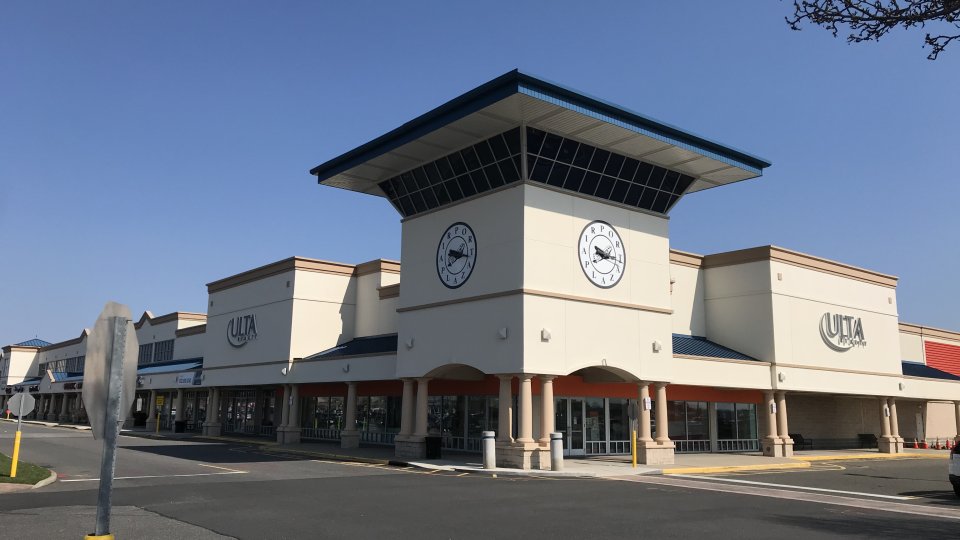
Fairchild Republic Co. in East Farmingdale, New York, EPA Region 2. With its cleanup complete, Fairchild Republic has now been transformed into a major shopping and office plaza that employs over a thousand people and has over $200 million in sales per year.
-
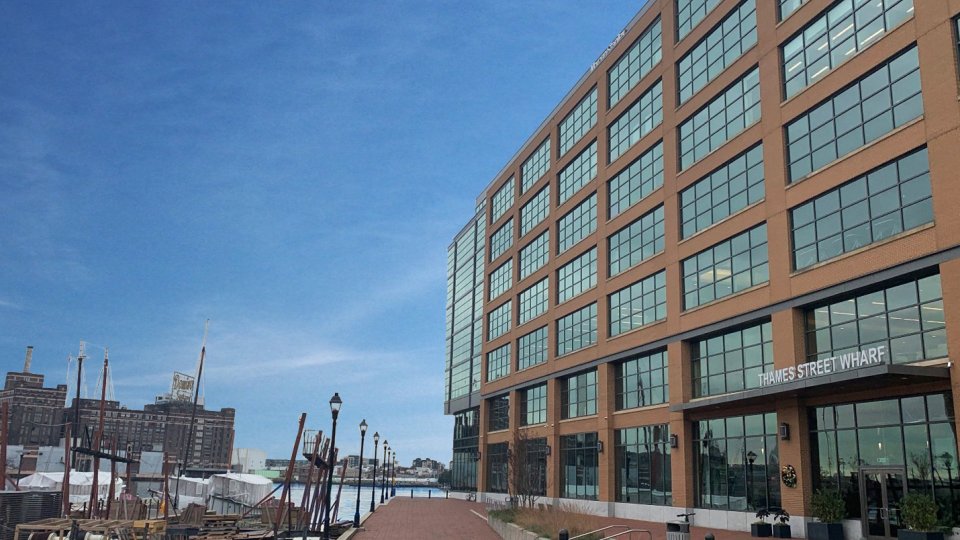
Honeywell in Baltimore, Maryland, EPA Region 3. Redevelopment began in 2007, taking advantage of the site's prime location near the Inner Harbor. As of 2022, the site is already boosting the local economy with nearly 2,600 jobs and $2.5 billion in annual revenue.
-
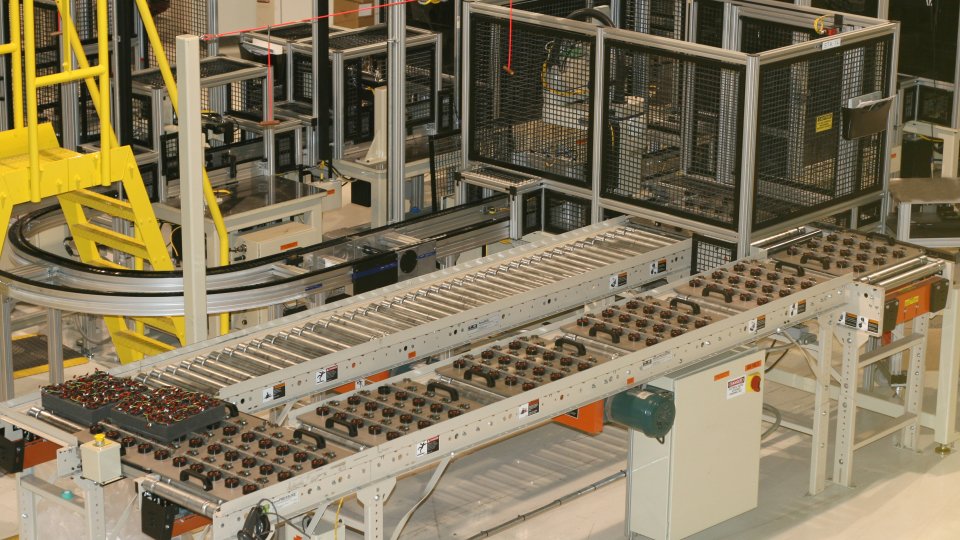
Motor Manufacturing Plant in Murphy, North Carolina, EPA Region 4. Image used with permission of Moog Inc. As of 2022, Moog is the largest industrial employer in Cherokee County. The Murphy factory makes high-tech motors for industrial applications, employing 400 people and generating more than $89 million in annual sales.
-

M1 Concourse in Pontiac, Michigan, EPA Region 5. Image used with permission of M1 Concourse. Additional tourism spending and increasing property values have revitalized the area, breathing new life into the city of Pontiac while remaining true to its automotive origins.
-

Former Kelly Air Force Base in San Antonio, Texas, EPA Region 6. Image courtesy of U.S. Department of Defense Visual Information, image photographed by Maj. Christopher Vasquez. The site now serves as an economic center three times the size of San Antonio's downtown business district.
-
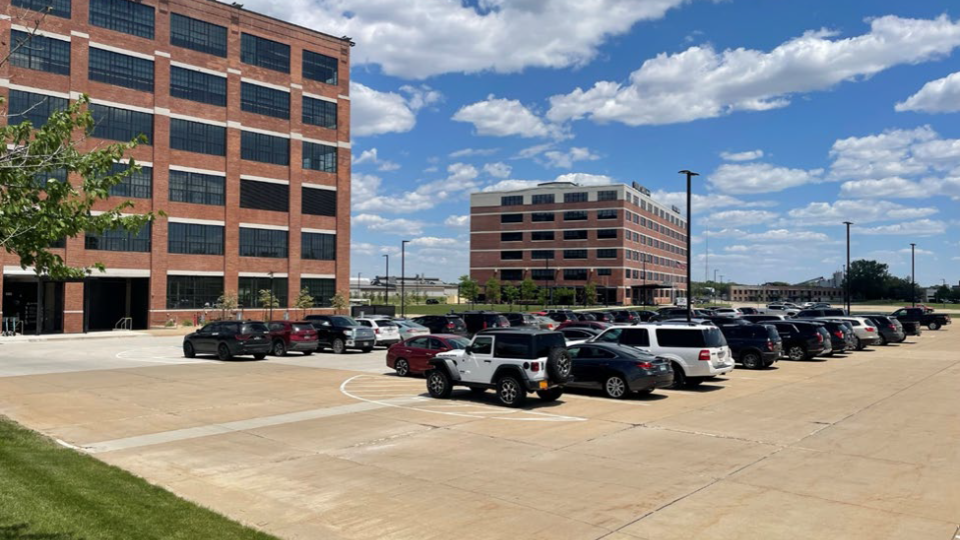
John Deere Waterloo-Works Drivetrain Operations Facility in Waterloo, Iowa, EPA Region 7. With dedicated collaboration, the facility is being redeveloped and expanded into an education, recreation, and industry hub for the Waterloo community.
-

BP Casper former refinery in Casper, Wyoming, EPA Region 8. The BP Casper site now supports commercial, recreational, and ecological reuses which support nearly 250 jobs and $70 million in yearly sales.
-
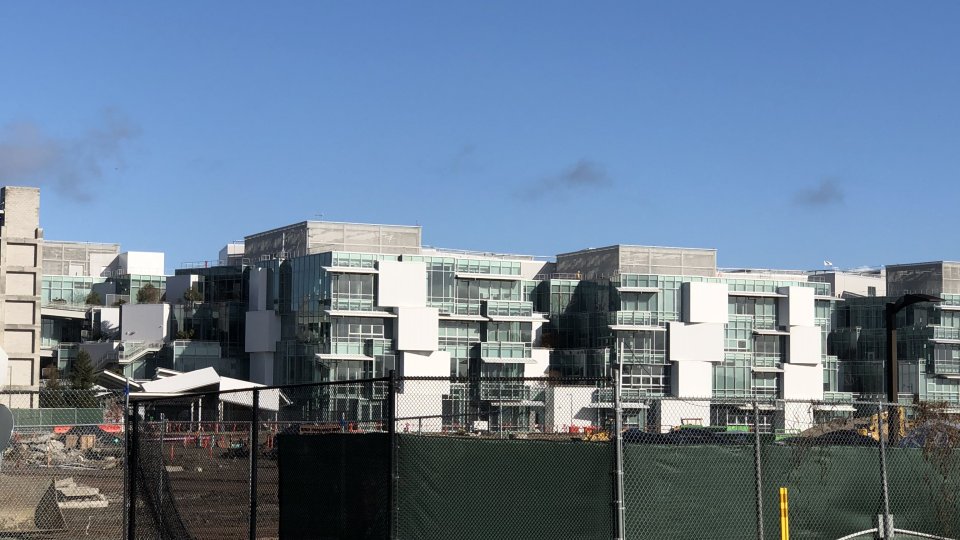
Tyco Electronics in Menlo Park, California, EPA Region 9. In 2014, Facebook purchased the property to build a portion of its Menlo Park headquarters. As of 2022, the site is estimated to have 2,800 Facebook employees and an estimated $3.8 billion in annual revenue.
-
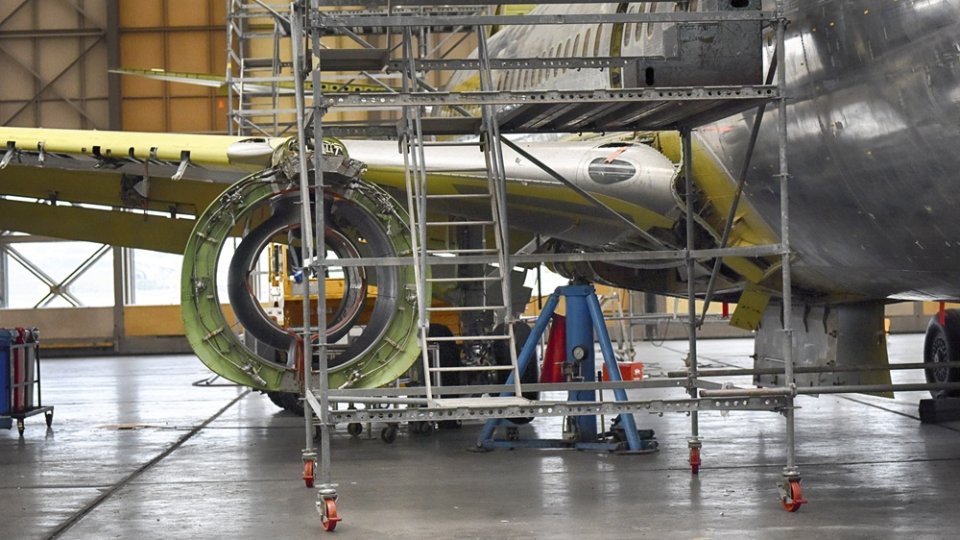
Boeing A&M Developmental Center in Tukwila, Washington, EPA Region 10. Boeing continues to conduct research at the facility and operate its Museum of Flight and on-site exhibit. Boeing's activities at the facility currently support about 300 jobs, nearly $41 million in estimated annual employee income, and $147 million in sales per year.
Learn more about Common Sense RCRA Reform.