U.S. flag

An official website of the United States government

Here’s how you know

Dot gov

Official websites use .gov
A .gov website belongs to an official government organization in the United States.

HTTPS

Secure .gov websites use HTTPS
A lock (LockA locked padlock) or https:// means you’ve safely connected to the .gov website. Share sensitive information only on official, secure websites.

    • Environmental Topics
    • Air
    • Bed Bugs
    • Chemicals, Toxics, and Pesticide
    • Emergency Response
    • Environmental Information by Location
    • Health
    • Land, Waste, and Cleanup
    • Lead
    • Mold
    • Radon
    • Research
    • Science Topics
    • Water Topics
    • A-Z Topic Index
    • Laws & Regulations
    • By Business Sector
    • By Topic
    • Compliance
    • Enforcement
    • Guidance
    • Laws and Executive Orders
    • Regulations
    • Report a Violation
    • Environmental Violations
    • Fraud, Waste or Abuse
    • About EPA
    • Our Mission and What We Do
    • Headquarters Offices
    • Regional Offices
    • Labs and Research Centers
    • Planning, Budget, and Results
    • Organization Chart
    • EPA History

Breadcrumb

  1. Home
  2. Healthy School Environments
  3. Creating a Healthy School Environment

Combating Air Pollution at Schools

Related Information

Learn more about air quality topics.

Children are more vulnerable to air pollution than adults because their natural defenses and organs are still developing. They also breathe more frequently than adults, which means they take can more pollutants.

These resources are created for facilities managers, custodians, principals, administrators, and teachers.


Creating Healthy Indoor Air Quality (IAQ) in Schools
IAQ Tools for Schools

Make indoor air quality (IAQ) a priority in your school by implementing an IAQ management program.  Find IAQ Tools for Schools Resources to develop and sustain an effective and comprehensive program using simple, low-cost actions to help save money, improve health, and decrease student and staff absenteeism. 

Learn more about creating healthy IAQ in schools or take an interactive, virtual school IAQ tour!


Schools as Cleaner Air and Cooling Centers

Icon of air flowing through a school.

Schools as Cleaner Air and Cooling Centers: Tips for Facility Managers, Principals, Teachers, and Parents and Caregivers are factsheets designed to help schools and communities facing the consequences of climate change. As extreme weather events such as wildfires and heatwaves overlap with other stressors such as infectious diseases like COVID-19, it’s important for schools and their partners to work together to mitigate the health risks to students and the community.


Reducing Near-Road Pollution Exposure at Schools
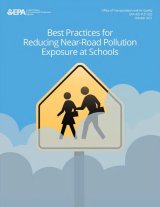
Best Practices for Reducing Near Road Pollution Exposure at Schools

Best Practices for Reducing Near-Road Pollution Exposure at Schools (pdf) (1.58 MB, October 2021) helps school communities identify strategies for reducing traffic-related pollution exposure at new and existing schools that are located downwind from heavily traveled roadways (such as highways), along corridors with significant trucking traffic, or near other traffic or vehicular pollution sources.

Learn more about how mobile source pollution affects your health.


Air Quality Flag Program
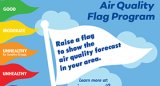
Air Quality Flag Program

The Air Quality Flag Program uses brightly colored flags based on EPA’s Air Quality Index (AQI) to notify people and their communities about outdoor air quality conditions. Schools can raise a flag each day that corresponds to their local air quality forecast and help teach and protect their students. Learn more about AQI at AirNow.gov.


School Bus Idle Reduction
Kids getting on a school bus.

The Clean School Bus National Idle Reduction Campaign helps you take action toward a cleaner, healthier environment. Learn why idle reduction matters, about idling reduction technologies, and about what you can do.


Noise Pollution

Children often participate in recreational activities that can harm their hearing. The Noise Pollution Materials for Kids and Teachers resources are designed for kids, teachers and parents to learn about protecting children's hearing and health. 

Healthy School Environments

  • Creating a Healthy School Environment
    • Assess and Improve Your School Environment
    • Combating Air Pollution at Schools
    • Using Chemicals and Cleaning Safely at School
    • Disasters, Emergencies and Schools
    • Managing Asthma at School
    • Reducing Waste at Schools
  • Environmental Health Threats at School
  • Resources for Educators
Contact Us about Healthy School Environments
Contact Us about Healthy School Environments to ask a question, provide feedback, or report a problem.
Last updated on August 13, 2026
  • Assistance
  • Spanish
  • Arabic
  • Chinese (simplified)
  • Chinese (traditional)
  • French
  • Haitian Creole
  • Korean
  • Portuguese
  • Russian
  • Tagalog
  • Vietnamese
United States Environmental Protection Agency

Discover.

  • Accessibility Statement
  • Budget & Performance
  • Contracting
  • EPA www Web Snapshot
  • Grants
  • No FEAR Act Data
  • Plain Writing
  • Privacy and Security Notice

Connect.

  • Data
  • Inspector General
  • Jobs
  • Newsroom
  • Regulations.gov
  • Subscribe
  • USA.gov
  • White House

Ask.

  • Contact EPA
  • EPA Disclaimers
  • Hotlines
  • FOIA Requests
  • Frequent Questions
  • Site Feedback

Follow.