U.S. flag

An official website of the United States government

Here’s how you know

Dot gov

Official websites use .gov
A .gov website belongs to an official government organization in the United States.

HTTPS

Secure .gov websites use HTTPS
A lock (LockA locked padlock) or https:// means you’ve safely connected to the .gov website. Share sensitive information only on official, secure websites.

    • Environmental Topics
    • Air
    • Bed Bugs
    • Chemicals, Toxics, and Pesticide
    • Emergency Response
    • Environmental Information by Location
    • Health
    • Land, Waste, and Cleanup
    • Lead
    • Mold
    • Radon
    • Research
    • Science Topics
    • Water Topics
    • A-Z Topic Index
    • Laws & Regulations
    • By Business Sector
    • By Topic
    • Compliance
    • Enforcement
    • Guidance
    • Laws and Executive Orders
    • Regulations
    • Report a Violation
    • Environmental Violations
    • Fraud, Waste or Abuse
    • About EPA
    • Our Mission and What We Do
    • Headquarters Offices
    • Regional Offices
    • Labs and Research Centers
    • Planning, Budget, and Results
    • Organization Chart
    • EPA History

Breadcrumb

  1. Home
  2. Polluted Runoff: Nonpoint Source (NPS) Pollution

Outreach and Educational Materials

On this Page:
  • Background
  • Stay Informed
  • Engage with the Public
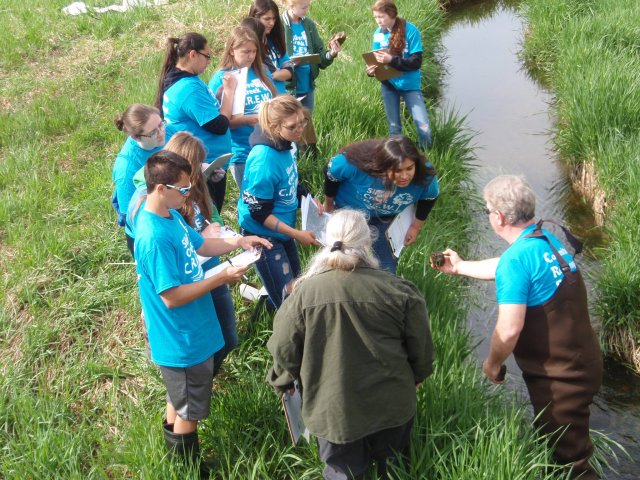
Group of students look at a specimen

Background:

NPS practitioners and their communities are working together  toward a mutual goal of improved water quality, aquatic habitats, and public health. An essential part of a nonpoint source practitioner's job is to engage with both the practitioner community and with the general public in their area. These resources will support Staying Informed and working on various strategies for Engaging with the Public of all ages!

Stay Informed:

  • The Nonpoint Source (NPS) Pollution Technical Exchange Forum is a series of webisodes covering  a broad variety of NPS topics. The webinars are held quarterly in a live event that is open to the public. Past webinars are recorded and can be accessed on the NPS Technical Exchange Webinars landing page.
  • NPSINFO is a distribution listserv of more than 2,300 individuals from federal, state and local government and numerous public and private organizations and is used to share information on how to address NPS pollution challenges. This list welcomes participants from across public and private sectors, including government agencies, non-profits and other organizations, researchers, educators, local water managers, industry, the agricultural community, and concerned individuals. 
  • Nonpoint Source News Notes provide a resource library on many topics related to NPS pollution. Use the search function to find information on a particular issue. These resources are fairly technical and are targeted towards a NPS professional audience.
  • Dive into the NPS Factsheets to learn more about the main categories and subcategories of NPS pollution. 

Engage with the Public:
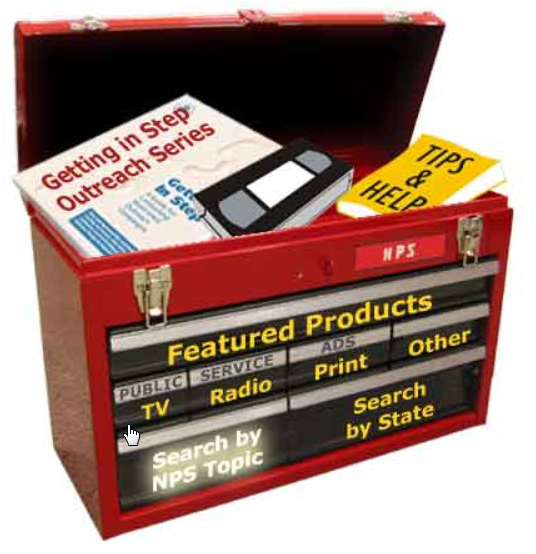
Toolbox showing the features of the NPS Outreach Toolbox
The Nonpoint Source (NPS) Outreach Toolbox is intended for use by state and local agencies and other organizations interested in educating the public on nonpoint source pollution or stormwater runoff. The Toolbox contains a variety of resources to help develop an effective and targeted outreach campaign
Cartoon of a duck captioned "Darby Duck and the Aquatic Crusaders"
Join Darby Duck to learn about water, water pollution, and aquatic habitats in 7 science experiments. If you complete all 7, you can become an Aquatic Crusader!
Image of NPS Pollution Problems
Test your knowledge of activities that may cause NPS pollution with the interactive "What's Wrong with this Picture" activity. 
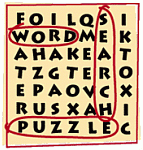
Word search highlighting "word search puzzle"
Complete our Word Search of 18 NPS related clues!

Check out the Resources for Students and Educators page for more resources including:

  • Articles and Activities for Middle Schoolers
  • NPS Specific Resources
  • Additional Teaching Materials

Polluted Runoff: Nonpoint Source (NPS) Pollution

  • Basic Information
  • Types of NPS Pollution
    • Agriculture
    • Abandoned Mine Drainage
    • Forestry
    • Hydromodification and Habitat Alteration
    • Marinas and Boating
    • Highways and Bridges
    • Urban Areas
    • Wetland/Riparian Management
    • National Management Measures
  • Using a Watershed Approach
  • Success Stories
  • National NPS Monitoring Program
  • Coastal Zone Act Reauthorization Amendments (CZARA)
  • Grants Reporting and Tracking System (GRTS)
  • NPS Technical Exchange Webinars
  • 319 Grant Program for States and Territories
  • 319 Grant Program for Tribes & Nations
  • Outreach and Educational Materials
  • Contacts for NPS Programs
Contact Us about Nonpoint Source Pollution
Contact Us about Nonpoint Source Pollution to ask a question, provide feedback, or report a problem.
Last updated on March 12, 2026
  • Assistance
  • Spanish
  • Arabic
  • Chinese (simplified)
  • Chinese (traditional)
  • French
  • Haitian Creole
  • Korean
  • Portuguese
  • Russian
  • Tagalog
  • Vietnamese
United States Environmental Protection Agency

Discover.

  • Accessibility Statement
  • Budget & Performance
  • Contracting
  • EPA www Web Snapshot
  • Grants
  • No FEAR Act Data
  • Plain Writing
  • Privacy and Security Notice

Connect.

  • Data
  • Inspector General
  • Jobs
  • Newsroom
  • Regulations.gov
  • Subscribe
  • USA.gov
  • White House

Ask.

  • Contact EPA
  • EPA Disclaimers
  • Hotlines
  • FOIA Requests
  • Frequent Questions
  • Site Feedback

Follow.