


Community Planning and Incentives
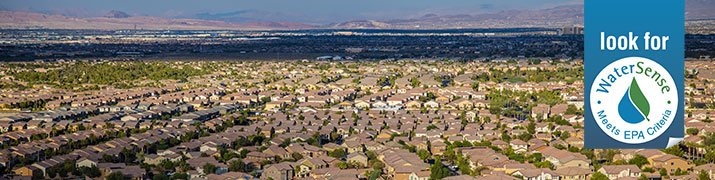
WaterSense labeled homes do more than just help the individual homeowner or resident save water and money. When water savings are multiplied across hundreds or even thousands of homes, they can help reduce regional water demand. This helps stretch water and infrastructure resources further, allowing growth in home building even in the face of limited water resources.
Developers, municipalities, water utilities, and other community partners can promote WaterSense labeled homes in their areas to help stretch limited water resources. Those interested in community planning and incentives can use these resources to help save water.
Registry of WaterSense Labeled Homes
EPA maintains a registry of WaterSense labeled homes that have been certified by a WaterSense home certification organization (HCO). This listing—which is updated quarterly—can be used to confirm whether a home has received the WaterSense label and can be used by organizations offering rebates or incentives for WaterSense labeled homes, jurisdictions requiring WaterSense labeled homes, real estate listing agencies, and homebuyers looking for a WaterSense labeled home.
WaterSense Labeled Homes and Water and Land Use Planning
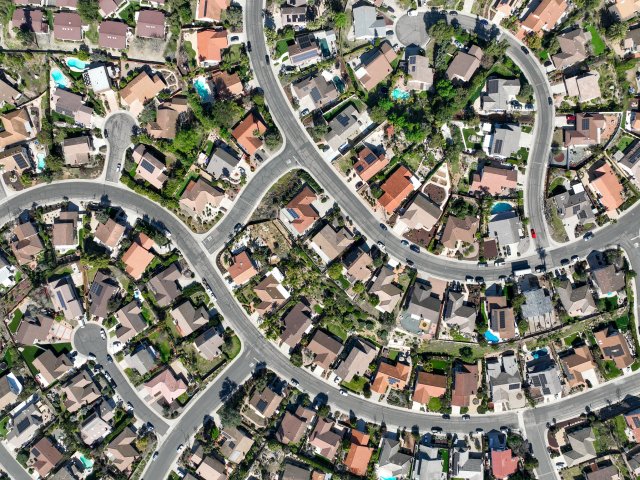
WaterSense labeled homes can serve as a strategic tool for land use planners, water district managers, and others seeking to protect existing water resources while meeting new housing needs. Read EPA’s fact sheet to learn how communities may be able to build more homes by promoting the construction of WaterSense labeled homes:
Case studies on existing WaterSense labeled homes also help illustrate the benefits of promoting WaterSense labeled homes in communities.
Local Incentives
Some communities incentivize or require that new homes are built to earn the WaterSense label to help stretch water resources. Leveraging the program in this way offers several advantages, including:
- Greater overall savings can be achieved using the whole-house approach rather than including WaterSense labeled products alone.
- In areas with limited water resources, more homes can be constructed to meet housing demand without increasing water demand, because WaterSense labeled homes use at least 30 percent less water than typical new construction.
- The flexibility of the WaterSense labeled homes program adjusts to both local climate and characteristics of an individual home, ensuring a focus on where the greatest water savings can be achieved.
- When focused on new construction, labeled homes help achieve maximum water savings at the lowest cost intervention point.
- A third-party verification process overseen by EPA’s certification system ensures homes save water and perform well.
Outdoor Water Budget Tool
The WaterSense Water Budget Tool is not required to certify homes, but using it can help community developers improve water efficiency through landscape and irrigation design in common areas that are not included in the WaterSense labeled homes specification. Using local climate data and user entries, the tool compares estimated water use for a designed landscape and irrigation system to one using practices typical of standard new construction. Using the tool can help developers make water-efficient landscape and irrigation choices to reduce outdoor water use in community common spaces.
Developers can also use EPA’s Directory of Certified Professionals to find irrigation professionals certified by a WaterSense labeled program to design, install, and/or audit irrigation systems.
Homeowner Association (HOA) Resources
Established communities with HOAs may have high water bills, especially if they are using water outdoors, and they may have policies that can have dramatic impacts on water use in the community’s homes. WaterSense has developed resources to help HOA and community associations manage and transform community spaces and educate residents.