Mold Exposure and Respiratory Conditions in Young Children
Find information on how climate change can affect extreme weather, the home, and children’s health. Start by reading the fictional story of a preschool-aged child who is affected by flooding and mold exposure, and learn how similar situations can affect kids across the country. Also get tools to help families prepare and cope with these kinds of climate disasters and outcomes. Finally, check out the regional spotlight.
Explore Other Kids and Climate Health Impacts
Climate Change Impacts
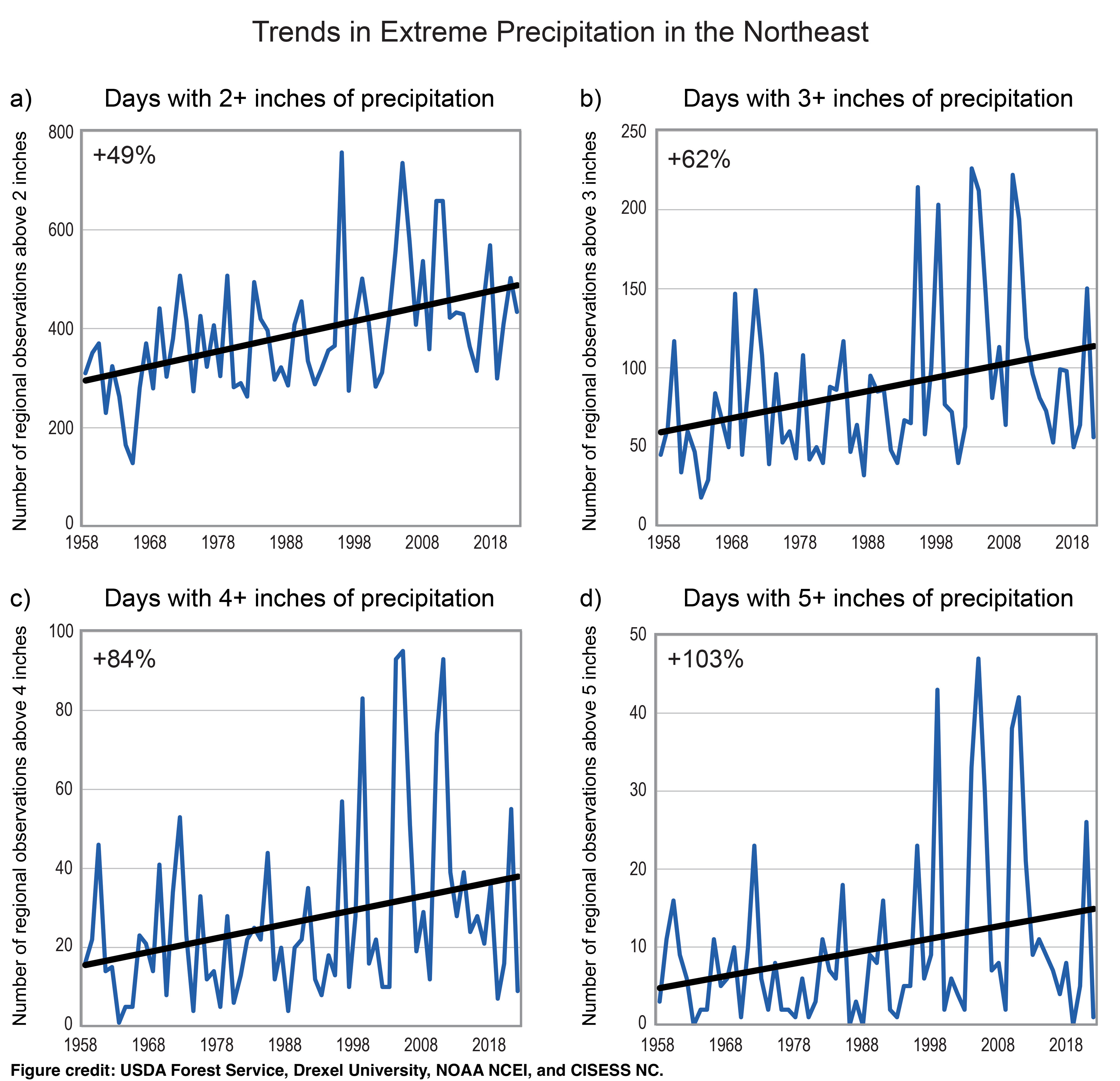
Precipitation patterns across the United States is changing because of climate change. Some regions like the central and eastern United States are experiencing more rainfall, while other regions like Hawaii and parts of the Southwest are getting drier.
Weather events with heavy precipitation are also becoming more frequent across much of the United States, with the greatest increase happening in the Northeast.
Impacts on Children's Health
- Infants and children have less mature lungs than adults and are thus more susceptible to breathing in contaminants and other hazardous air pollutants, including mold. They also breathe faster and take in more air than adults relative to their body size, meaning they get exposed more heavily to what is in the air compared to adults.1
- Flood waters can carry biological and chemical pollutants indoors, and standing water and wet materials can become a breeding ground for viruses, bacteria, and mold which can cause adverse health effects.5
- Mold contamination in homes resulting from flooding can lead to poor indoor air quality. Inhaling mold can cause adverse health effects like coughing, wheezing, pneumonia, allergic reactions3, and asthma attacks.4 In addition to its impacts on the respiratory systems, asthma can also lead to neurological problems. 6
- Studies have shown that nearly 80% of asthma cases begin before the age of six.5
- Due to possible exposure to dust-laden contaminants (e.g., lead, asbestos), children, people who are pregnant, and those with breathing problems like asthma, or who have weakened immune systems, should not participate in flood cleanup activities and should not be present during any remediation or renovation activities.
What Can I Do?
- DO dry your home completely after a flood. Drying can take a long time, usually several days to weeks. Keep the air moving with open doors and windows. If you have power, set up fans, dehumidifiers, or heaters throughout the house to speed up the drying process. Learn more about how to dry your home completely.
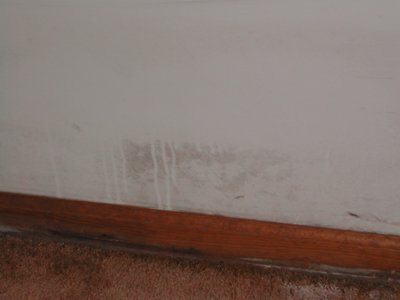
- DO learn to identify mold in your home. Mold comes in nearly every color. View images of indoor mold.
- DO avoid stirring up dust or scrubbing surfaces. Clean surfaces gently using a cloth dampened with clean water, a non-ammonia detergent, soap, or commercial cleaner (choose a product that is phenolic or pine-oil based). If needed, you can also use an EPA-registered disinfectant or sanitizer to kill microorganisms such as viruses, bacteria, and mold on clean surfaces that do not absorb water. Read and follow all instructions about how to safely use the product. Do not mix chemicals together. Learn more about cleaning up after a flood.
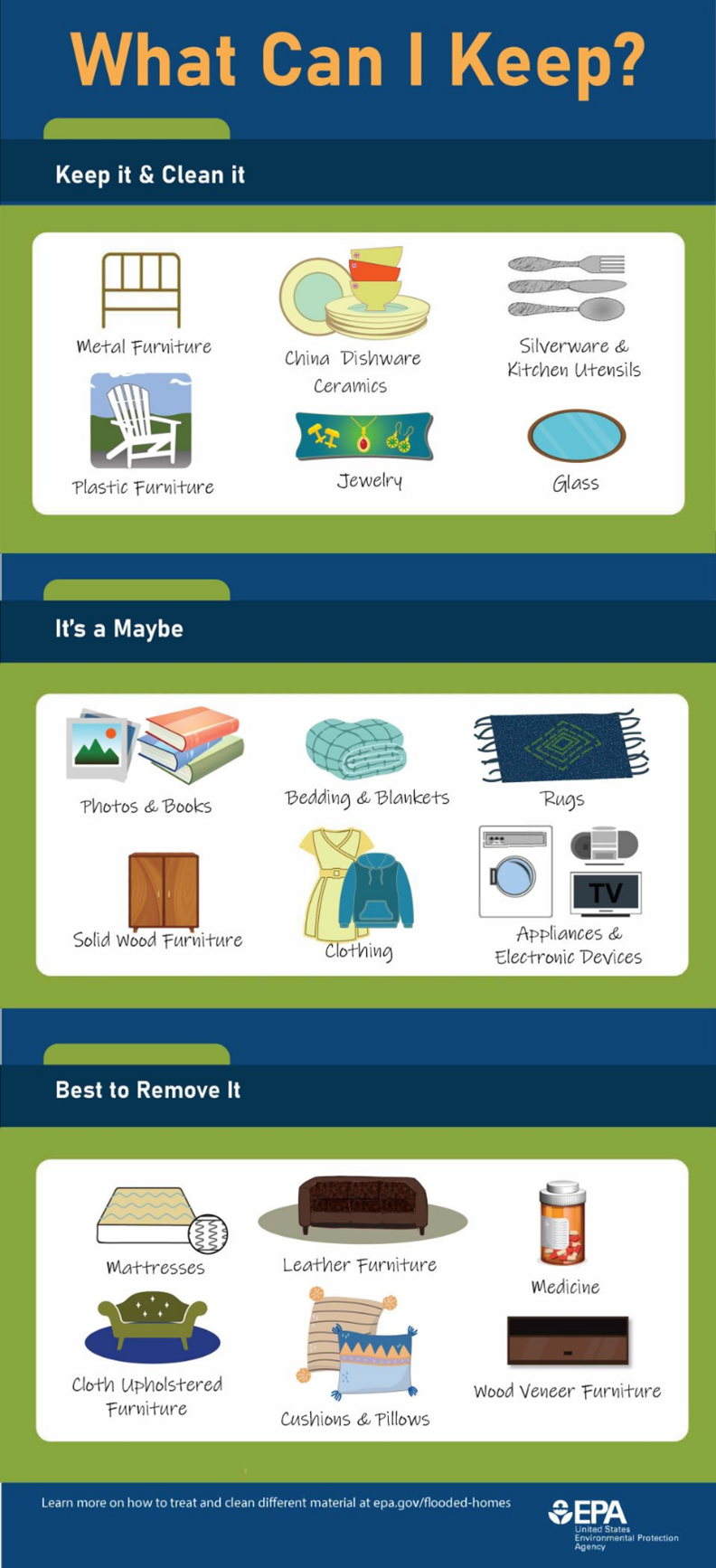
- DO remove all items that have been wet for more than 48 hours and that cannot be thoroughly cleaned and dried. Learn more about how to sort water-soaked materials.
- DO document damage to your home before making repairs. Agencies like the Federal Emergency Management Agency (FEMA) can offer assistance and may require pictures of damage and receipts for out-of-pocket repair expenses. To apply for FEMA assistance:
- Call the helpline at (800) 621-3362.
- Visit DisasterAssistance.gov.
- Find a local FEMA center.
- Learn more about FEMA assistance for flooding-related mold issues.
- DO contact a healthcare provider if you or a family member experience breathing or other health problems after being exposed to mold.
- DO consider consulting with a qualified remediation professional for help if flood cleanup is more than you can manage on your own. Learn more about hiring a professional for flood cleanup.
What Should I Not Do?
- DON’T allow children, people who are pregnant, and those with breathing problems like asthma or who have weakened immune systems to participate in flood cleanup. Keep them away from moldy sites. Learn more about mold and heath.
- DON'T paint or caulk over mold surfaces.
- DON'T mix cleaning products. Mixing bleach with ammonia or other cleaners can create poisonous gases.
Resources
EPA Resources
- Flooded Homes
- Flood Cleanup to Protect Indoor Air Quality and Your Health
- Flood Cleanup and Indoor Air Quality: Resource Summary (pdf)
- Mold Testing or Sampling
- Climate Change and Children’s Health and Well-Being in the United States
- Asthma Triggers: Gain Control
Federal Partner Resources
- FEMA: A step by step workbook to aid in mold cleanup is available from FEMA (pdf)
- Centers for Disease Control and Prevention (CDC): Mold
- CDC: Mold Cleanup
- CDC: 8 Tips to Clean Up Mold (pdf)
- CDC: Homeowner's and Renter's Guide to Mold Cleanup After Disasters (pdf)
- National Institutes of Health (NIH): Association of Residential Dampness and Mold with Respiratory Tract Infections and Bronchitis: A Meta-Analysis
- USAGov: Find a Lawyer for Affordable Legal Aid
Other Resources
- National Center for Healthy Housing (NCHH): State and Local Mold Policies
- Children's Environmental Health Collaborative (CEHC): State of Global Air
- Cornell: Trends in Extreme Precipitation in the Northeast