


April–June 2026 Newsletter
Red Hill Drinking Water Progress
The Red Hill Bulk Fuel Storage Facility supports military operations in the Pacific and was designed to store up to 250 million gallons of fuel. Following the 2021 fuel spill at Red Hill and resulting groundwater contamination, EPA conducted a thorough assessment of information collected during the emergency response and drinking water monitoring. EPA has released its final report on the condition of the public water systems.
- Final Drinking Water Assessment Report
- EPA and the Red Hill Bulk Fuel Storage Facility in Hawai'i
- Island News: Water affected by Red Hill fuel spill has not been contaminated since 2022, EPA reports
Addressing PFAS
EPA has announced nearly $1 billion in new funding to states to address per- and polyfluoroalkyl substances (PFAS) in drinking water, and has issued two proposed rules for public comment that uphold the National Primary Drinking Water Standards for perfluorooctanoic acid (PFOA) and perfluorooctane sulfonic acid (PFOS). This new funding is part of a comprehensive, lifecycle-based strategy to address PFAS that underscores EPA’s commitment to ensuring clean water for all. “With this investment, EPA is demonstrating our commitment to the goal of every American having safe drinking water,” said Acting EPA Pacific Southwest Region Administrator Michael Martucci.
In addition to the new funding, PFAS OUT was announced in 2025 as a new outreach initiative that, for the first time, will proactively and systematically engage with water systems with a focus on preparing drinking water systems for future compliance with federal drinking water standards for PFOA and PFOS.
- KTAR News: Arizona gets $20 million EPA grant to address PFAS, other contaminants in drinking water
- Maui News: EPA announces $9.5 million for Hawaiʻi to address PFAS in drinking water
- PFAS OUT
- Proposed PFOA and PFOS Compliance Extension Rule
Responding to Emergencies
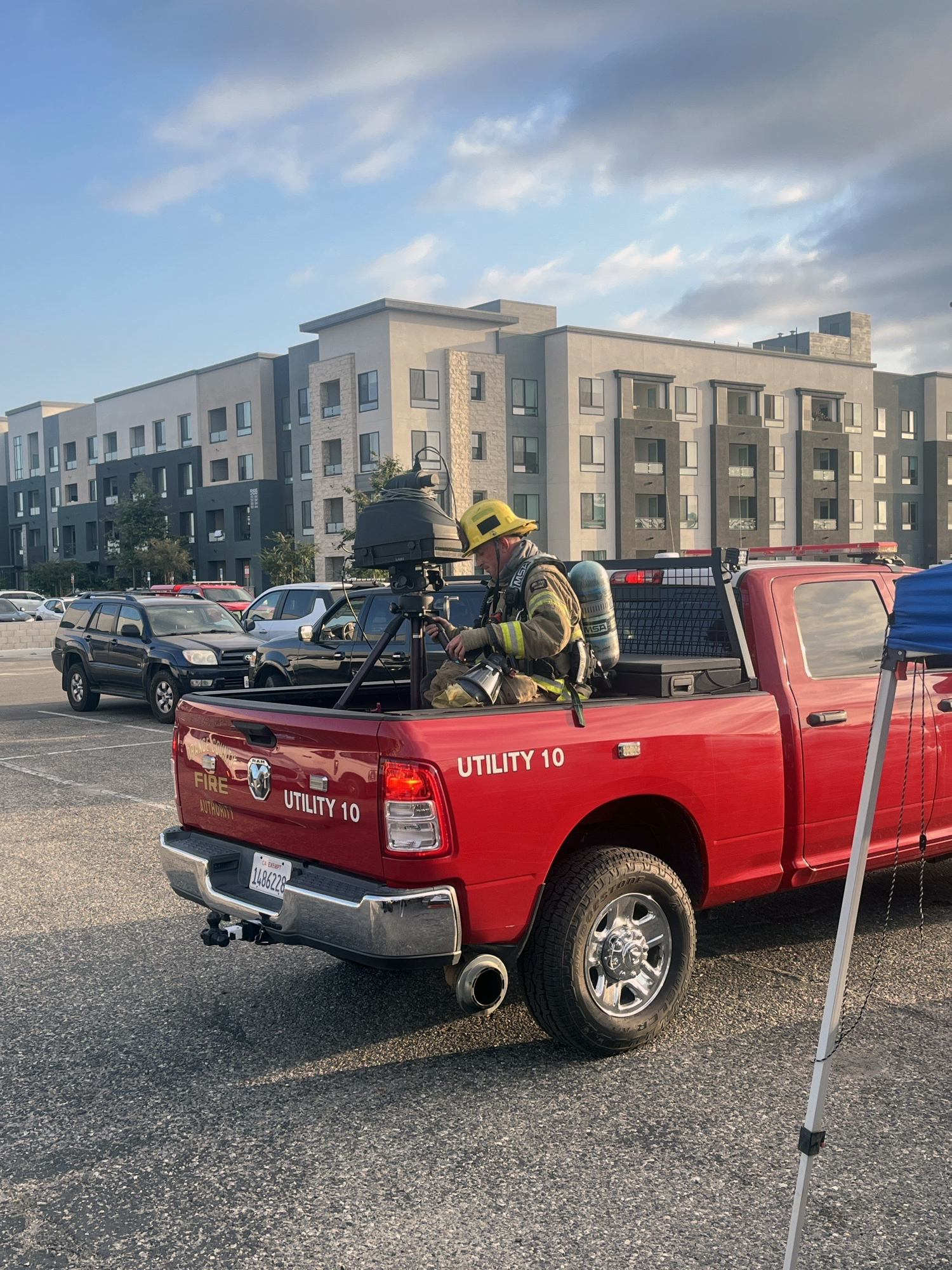
At the request of the Orange County Health Care Agency, EPA immediately responded to the scene of the Garden Grove, California, chemical incident, to provide air monitoring support and vital air quality information to local authorities. EPA also worked with Orange County Fire Authority (OCFA), the lead agency for this response. OCFA reported that the risk of a catastrophic explosion has been eliminated, and that there is no chemical leak.
In response to Super Typhoon Sinlaku, EPA received a mission assignment from the Federal Emergency Management Agency on April 17, 2026, to ensure the safety of drinking water and to coordinate and assess needs for wastewater facilities in CNMI. EPA concluded its field operations on May 7, 2026.
As flames grew at the Lineage Logistics Los Palos Street cold storage warehouse in the Boyle Heights area of Los Angeles, LA Fire Department requested EPA assistance with air monitoring at the facility. EPA deployed on June 19, 2026, to provide supplemental air monitoring as the fire department battled the blaze. EPA completed air quality monitoring and sampling work on June 25 and the fire was extinguished.
Enforcement Update
Protecting Communities from Air Pollution
Working in collaboration with the Bay Area Air and Sacramento Metropolitan Air Quality Management Districts, EPA recently used its enforcement authority to ensure that two landfills come into compliance with the Clean Air Act. Both landfills are now taking action to ensure proper air pollution control. “We will continue to monitor compliance and take appropriate action against facilities that violate air quality standards and harm human health,” said Amy Miller, Pacific Southwest Enforcement and Compliance Director.
- Sacramento Bee: Sacramento County Landfill Fined for Leaking Toxic Gases
- WasteDive: EPA fines California Landfills
Message from the Acting Regional Administrator, Mike Martucci
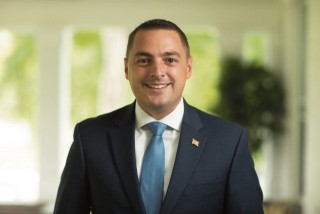
During my tenure leading EPA here in the Pacific Southwest (I also serve as head of EPA’s Region 2, based in New York City), I’ve been gratified to visit many parts of the region to see first-hand the results of our work, from advancing wildfire recovery in southern California to strengthening joint efforts toward improved air quality in the San Joaquin Valley to making progress at the Port of LA, which I visited just this month. Later this summer, I look forward to heading to the eastern edge of our region – Navajo Nation where we are making progress on cleaning up abandoned mines – and to Region 9’s west, with a visit to meet with key EPA partners in Hawaii. I continue to be so impressed by the truly diverse range of work taken on by EPA’s staff, from multiple emergency responses in California and the Pacific Islands to efforts to advance solutions to the Tijuana River sewage crisis. The Pacific Southwest is truly a vast region, and this quarterly newsletter provides just a snapshot of some of the recent work across this corner of our nation. I hope you find it useful and enjoyable.
- Instagram: RA at Port
Public Involvement
EPA encourages public engagement in addressing environmental issues through public notices, events and other opportunities for public participation.
Public Notices, Meetings and Events in EPA's Pacific Southwest