


Radiation and Shipping Port Security
Cargo comes into the U.S. from all over the world. Shipping ports ensure safety by:
- Screening cargo for radiation before it arrives in the U.S.
- Safely handling any radioactive material that needs to pass through a port.
Every day, the United States (U.S.) receives shipments from all over the world. Many agencies work to screen cargo for radioactive material. If they hold radioactive material, agencies make sure it has been shipped and handled safely.
About Radiation and Shipping Port Security
Cargo comes into the U. S. from all over the world. This cargo sometimes contains hazardous materials such as chemicals or radioactive materials. Port inspectors make shipping ports make sure that the transport of hazardous material is done safely and securely. They also block illegal radioactive material from entering the U.S.
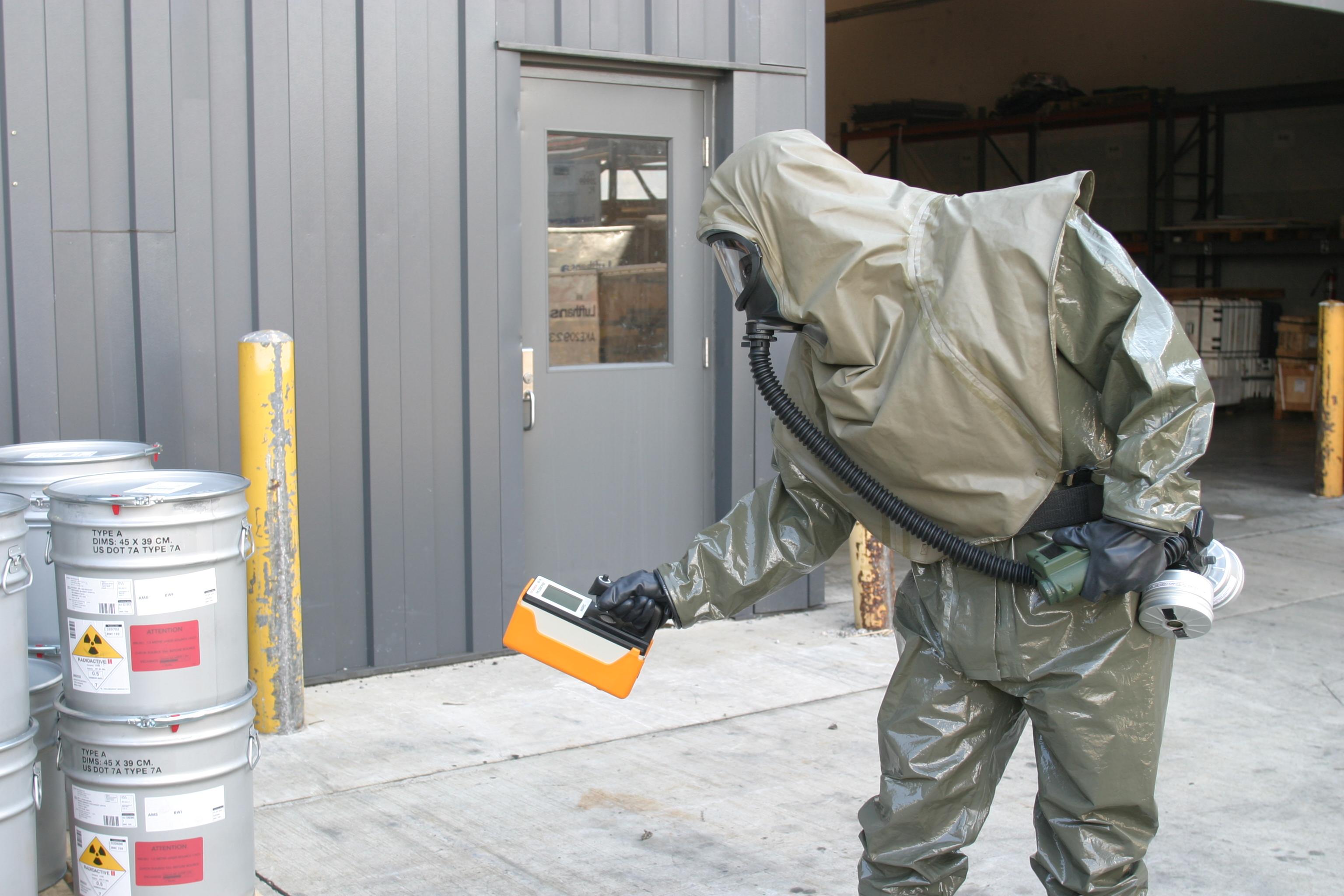
Cargo containers are checked for radioactive material that could harm national security or public safety. Security measures include:
- Requiring licenses the import and export of radioactive material.
- Prescreening all cargo.
- Inspecting cargo with radiation detectors.
The CBP agency monitors, regulates, and controls the flow of goods into the U. S. The CBP monitors cargo using different types of monitors, such as radiation portal monitors that scan cargo from the outside, and hand-held monitors that can be brought into shipping containers.
Additionally, the U.S. Department of Energy's Office of Nuclear Smuggling Detection and Deterrence (NSDD) within the National Nuclear Security Administration (NNSA) helps the U. S. and other countries ensure that radioactive and nuclear shipments are legal and secure. Learn more about this program on the NNSA’s website.
Several different types of radiation detectors are used by shipping port security officials. These include:
- Radiation portal monitors: Drive-through monitoring stations scan trucks and their cargo. Portal monitors can detect radiation hidden inside shipping containers.
- Personal radiation detectors: Small, highly sensitive devices sound an alarm when higher-than-normal radiation levels are detected. Many federal officers and agents use these at ports and highway checkpoints.
- Radiation isotope identifiers: Hand-held instruments that identify specific radionuclides, including nuclear weapon, medical and industrial radioactive materials. Security officers use these devices to identify the type of radionuclide that triggered an alarm.
- Large-scale gamma ray/x-ray imaging systems: These systems use radiation to show images of the contents of cargo containers, rail cars, vehicles, or trailer trucks.
What You Can Do
- Respect safety zones. If radionuclides are found unexpectedly at a shipping port, safety officials may set up a safety zone around the port. These zones limit access to protect public health from potentially hazardous materials.
- Obey safety instructions. In the rare case that you are in this situation, it's important to follow posted signs and perimeter warnings.