


Site History
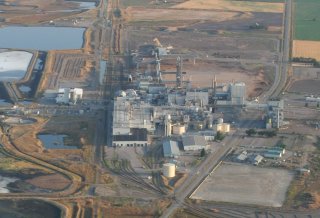
The 3,200-acre Smurfit-Stone Mill site is located three miles southeast of Frenchtown, Montana. A paper and pulp mill operated on site from 1957 to 2010. Various hazardous substances were used or produced on site, including bleaching chemicals from the former Mill’s limited production of bleached linerboard. Site activities and waste disposal practices on site may have caused a release of hazardous substances into the environment. In 2010, operations ceased the property changed hands. In 2015, EPA entered an administrative order on consent for remedial investigation and feasibility study with the site potentially responsible parties. As part of the Superfund process, EPA divided the site into three operable units (OUs) based on historical use.
Operable Unit 1 is approximately 1,200 acres. It is used largely for agricultural purposes, including grasslands for cattle grazing and cropland irrigated for alfalfa and grain crop. Since no unacceptable risk to human or environmental health was identified in this operable unit, it will not be carried forward into the next phase of the Superfund process.
Operable Unit 2 covers about 255 acres and is the former core industrial footprint of the former mill site.
Operable Unit 3 spans over 1,700 acres and includes former wastewater treatment facilities consisting of a former clarifier and settling ponds, aeration basins, polishing ponds, treated water holding ponds, and infiltration basins. Apart from occasional daylighting of Clark Fork River, these holding ponds have been dry since operations at the former Mill ceased in 2010. Site-wide groundwater is also included in this operable unit.
In 2023 and 2024, EPA directed additional sediment, groundwater, surface water, and soil sampling at the site in response to community concern about site characterization. In July and August 2025, EPA and DEQ received all final data from these events. These data will be included in the upcoming Remedial Investigation report.
In 2026, the EPA site team expects to publish the Remedial Investigation Report and move into the Feasibility Study. After the FS is completed, EPA, in consultation with DEQ, will select a cleanup, or ”remedy,” to address contamination on site. This remedy will be shared with the public in a document called a ”Proposed Plan.” This process includes a public comment period.