


Moss Landing Vistra Battery Fire Response: Response Timeline
Moss Landing Vistra Battery Fire Response | Response Timeline | FAQs| Photos | Register for Email Updates
September 18, 2026
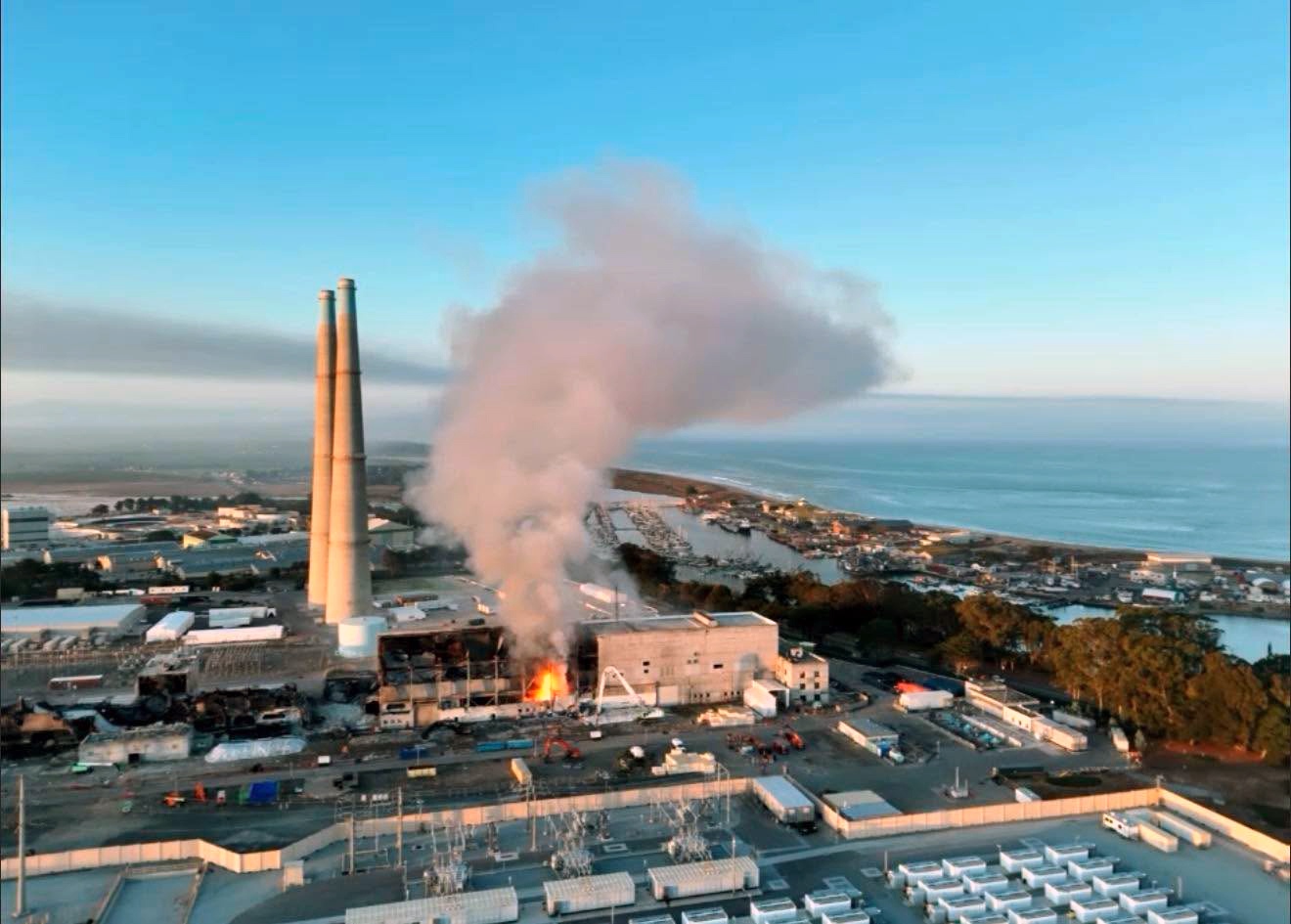
- At approximately 6:00 am, a portion of the damaged batteries remaining in the fire-impacted Moss Landing 300 building caught on fire.
- As required under their agreement with EPA, Vistra promptly activated the EPA-approved emergency response plan, which includes notifying local agencies, evacuating personnel if appropriate, additional air monitoring and sampling, among other actions. See What are the emergency response protocols? for a full list.
- As a precaution, Monterey County’s Department of Emergency Management declared a shelter-in-place order for residents and individuals within 1/3 mile of the fire.
- The September 18 fire subsided around 10 am the same day. No injuries were reported. In case of reignition, the shelter-in-place order continued until approximately 4:15 pm.
- EPA has continued to monitor the situation, actively working with the fire department and other local and state authorities to ensure public safety.
- Work is continuing in the areas unaffected by the fire, while structural engineers evaluate when it is safe to perform further work in the Moss Landing 300 building around the remaining batteries.
- This fire was a fraction of the scale of the initial January 2025 fire. During the September 18 fire, it is estimated that 1,300 battery modules burned, while during the January 2025 fire, around 56,000 battery modules burned.
For more information about the September 18 fire, please see: How did the fire happen?
June 24, 2026
Intact battery removal is almost complete!
- 33,943 intact batteries* from the burned area have been de-energized and ready to be recycled at EPA-approved facilities. Over 33,000 batteries have already been sent off-site for recycling.
- There are about 5,000 more batteries remaining in areas difficult (or unsafe) to access in the fire-impacted building (ML300). Vistra is developing a plan to remove these remaining batteries safely.
- Removing, de-energizing and recycling intact batteries (Phase 1) is expected to be done by the end of June 2026.
*Intact batteries can be recycled for their metals. These batteries may still hold a charge, so they are de-energized before recycling to reduce risk of secondary fire during transport.
Vistra is using best management practices to comply with the federal Endangered Species Act.
EPA consulted with the U.S. Fish and Wildlife Service and the State of California Department of Fish and Wildlife to ensure any endangered species or other protected species are safe from cleanup work. Best practices include:
- Training by a qualified biologist for site staff to identify protected species and know when to contact wildlife experts to assist
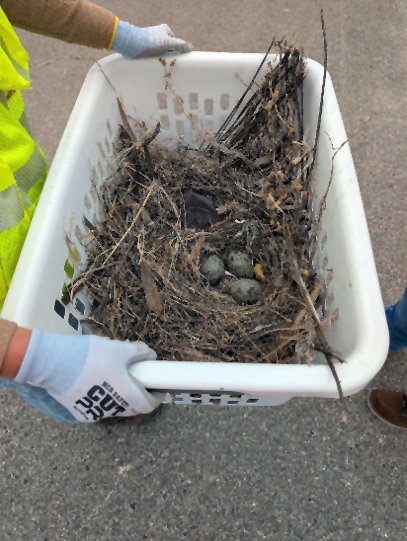
- For example, in May 2026, site workers discovered a seagull nest in the work zone. EPA worked with trained biologists from the state to safely relocate the nest. The seagull parents quickly took to the new nesting location
- Containing burned material in the burned building (ML300) and work zone
- Using strict traffic routes and inspecting vehicles to help prevent contamination or spills
- Endangered Species Clearance surveys prior to beginning site work each day to ensure there are no protected species in the work area
- Covering trash bins and debris piles to prevent wildlife from reaching them
- Using water management practices to protect endangered species, like:
- Collecting and containing surface stormwater on-site and properly disposing of all impacted water that exceeds screening levels.
- Covering storm drains with filters to prevent sediment and wildlife from entering the stormwater system
- Using sandbags as needed
Upcoming: Phase 2 of Cleanup
Phase 1 removed accessible, intact batteries from the building burned in the fire (Moss Landing 300).
During summer and fall, Phase 2 work will be visible. You may see:
- A limited amount of smoke when the most damaged and inaccessible batteries are removed*
- Water sprayers controlling dust and smoke as the Moss Landing 300 building is completely demolished
- Increased truck traffic on Dolan Road bringing heavy equipment to the site
*The team is working closely with state and local emergency responders to prepare for potential smoke incidents and limit impacts from Phase 2 on the community.
Ensuring community safety includes:
- Air Monitoring during work activity
- Using dust-control measures (wetting work areas with water, using stabilizers to keep dust in place, decontamination of batteries, equipment, and PPE)
- 24/7 private firefighting crew on-site
- Water tanks, water sprayers and equipment to control smoke from unstable batteries
- Using thermal imaging and infrared cameras to monitor battery temperatures
April 10, 2026
- Battery removal work continued at a steady pace. Vistra has de-energized more than 27,800 batteries for recycling thus far. No fires started since battery removal work began in July 2025.
- To reduce dust, Vistra applied a tackifier to the ash footprint.
- Tackifier is a sticky coating that can be added to surfaces to prevent dust build-up.
- Tackifier wasn’t applied prior because site conditions were too unsafe. As demolition and stabilization finished, workers were able to safely apply the tackifier.
- A new industrial elevator was built for crews to access batteries on the second floor of the building.
- Crews are expected to finish removing intact batteries from the Moss Landing 300 building by May or June 2026.
Phase 2 of battery removal (estimated mid-2026)
- The second phase of demolition (Phase 2) will address the heavily-burned parts of the building.
- Once accessible and intact batteries are removed, Phase 2 work will start.
- Severely-burned and damaged batteries (including battery ash and debris) will be removed during Phase 2.
- As many batteries as possible will be recycled.
- The building will be torn down to its foundation.
- Battery removal work is estimated to continue into at least Fall or Winter 2026.
Safely disposing fire-suppression water
- Fire suppression water used in the January 2025 fire was collected and stored in a tank on-site. It was sampled and found to be non-hazardous. Then, it was disposed of at the Clean Harbors Seaport facility (San Jose, California).
February 13, 2026
To Date
- 22,984 batteries de-energized (about 12,788 remaining)
- Zero flareups during battery removal work.
- Ten truckloads of batteries (about 19 tons), on average, sent weekly for recycling.
- Ten more truckloads of waste are sent weekly for disposal and recycling facilities.
Work Progress
- Phase 1 of building stabilization and partial demolition work at the Moss Landing 300 building done before the holidays.
- Key areas of the damaged building were stabilized and demolished so workers could safely access and remove batteries.
- Phase 2 will start after the remaining accessible, intact batteries are removed. Phase 2 (estimated to start in mid-2026) addresses:
- severely burned sections of the Moss Landing 300 building, including demolition to its foundation, and
- treatment and disposal of burned and damaged batteries.
Close Agency Oversight
- We continue daily oversight on-site of Vistra’s work.
- We also activated the U.S. Coast Guard’s Pacific Strike Team to assist with federal oversight.
- United States Coast Guard Federal On-Scene Coordinator Representatives have a similar role and training to EPA On-Scene Coordinators (who have been overseeing the cleanup so far).
- Coast Guard service members help:
- ensure compliance with federal regulations and response plans and
- coordinate with various agencies and staff working on the project.
Safety First
- We continue to ensure Vistra uses best management practices for controlling dust during battery removal.
- We oversee their air monitoring and air sampling to detect dust and track if it’s moving off-site.
- Workers follow safety precautions, like removing or cleaning equipment, before leaving the work zone.
Rainy Season Safety Measures
- We are adding to our safety oversight to accommodate the rainy season.
- Containing water that enters or is used at the site is central to our approach.
- Water used in battery removal or building demolition, or water that falls as rain on or near the Moss Landing 300 building, is captured.
- The capture system is a closed-loop stormwater management system.
- Captured water is tested for elevated levels of contaminants.
- Based on the results of this testing, the water is then properly managed (either disposed of off-site at appropriate facilities, reused [if able] on-site, and/or managed in compliance with stormwater discharge procedures).
- Batteries can re-ignite in wet conditions. In response, we ensure Vistra processes all batteries under tents so they are protected from the rain.
- Vistra continuously monitors weather conditions so operations can be temporarily stopped, if needed, for safety.
- Containing water that enters or is used at the site is central to our approach.
December 19, 2025
During the government shutdown (October 1, 2025 through November 12, 2025), EPA On-Scene Coordinators continued overseeing battery removal as normal.
- Battery removal work continued at a steady pace, with 8,448 batteries de-energized and transported off-site thus far. To date, there were no flareups during battery removal work.
- Five truckloads, on average, a week of de-energized batteries left the site for recycling.
- Each truckload carried about 192 modules on 24 pallets (approximately 37,632 pounds).
- An additional 10 trucks, on average, carrying other waste and debris, left the site each week for various disposal and recycling facilities.
- Vistra identified a new battery recycling facility, Cirba Solutions in Lancaster, Ohio, to dispose batteries.
- We approved the Cirba facility as acceptable for receiving wastes under our Off-Site Rule . We had previously also approved the American Battery Technology Company facility in Nevada.
- Vistra planned to send batteries to both facilities.
- Building stabilization and demolition work on the fire-impacted building (Moss Landing 300) continued. This work allowed Vistra to get safe access to the remaining batteries.
- We continued to oversee Vistra’s work at the site and also activated the U.S. Coast Guard’s Pacific Strike Team to assist with federal oversight.
- United States Coast Guard Federal On-Scene Coordinator representatives have a similar role and training to EPA On-Scene Coordinators (who have been overseeing the cleanup so far).
- These Coast Guard service members were responsible for:
- coordinating the federal response to pollution incidents and emergencies,
- monitoring compliance with regulations,
- managing response plans, and
- coordinating with various agencies and personnel.
- While battery removal work was occuring, Vistra used best management practices for controlling dust.
- We continued our oversight of Vistra’s air monitoring and air sampling work.
- Workers also followed safety precautions like removing or cleaning equipment before leaving the work zone.
- With the onset of the rainy season, we recognized the importance of ensuring Vistra contained impacted water that entered or was used at the site.
- Water used in battery removal or building demolition, or water that fell as rain on or near the Moss Landing 300 building, was captured.
- The capture system was a closed-loop stormwater management system.
- Captured water was tested for elevated levels of contaminants.
- Based on this testing, the water was then properly managed (either disposed of off-site at appropriate facilities, reused [if able] on-site, and/or managed in compliance with stormwater discharge procedures).
- We recognize batteries can re-ignite in wet conditions. All batteries being processed—whether they are being staged, de-energized, or packaged for transport—are protected from rain under tents.
- Additionally, Vistra continuously monitored weather conditions so operations could be temporarily stopped if needed for safety.
- Cleanup work paused from December 19th – December 28th. However:
- fire crews continued monitoring the site for any potential flareups, and
- all air monitoring and air sampling around the site and in the community continued during this time.
September 29, 2025
On September 29, 2025, workers began removing the first set of batteries from the Moss Landing 300 building. This marks a major milestone in the battery removal process.
A significant focus was to ensure battery removal was safe and efficient (pdf). For weeks, teams practiced safe battery removal handling and processing procedures. This was done while limited demolition and building stabilization happened.
- Battery removal for most of 2025 focused on “intact” batteries, batteries with no damage or minor damage from the fire.
- Workers de-energized these batteries and transferred any remaining energy back into the local electrical grid.
See our Community Involvement Plan for more information on the battery processing process. As with all work, we ensured strict health and safety requirements, and best practices were always followed.
The Moss Landing Administrative Record was made available for public comment through October 15, 2025. EPA received no comments during the comment period.
The Administrative Record contains documents that justify EPA directing response activities at the site. A paper copy of the Administrative Record can be found at:
Castroville Branch Library
11160 Speegle St.
Castroville, CA 95012
Please call for current hours of operation: (831) 769-8724.
September 16, 2025
We are committed to transparency. To share information on this project, we have developed the Moss Landing Battery Fire Community Involvement Plan (pdf) .
- To create the plan, we interviewed 17 community members, local officials, organizations, and other stakeholders.
- The interviews and other research helped us identify information gaps and things to keep in mind as we share information and engage the community throughout this project.
- We developed and will implement the plan with support from Vistra.
Many thanks to the Monterey community members who volunteered to be interviewed. Your thoughtful, heart-felt contributions were the basis for this plan and we appreciate your openness to share with us.
August 2025
- EPA continues to provide on-site technical assistance and oversight of battery removal process.
- Equipment arrives at the site (such as cranes).
- Preliminary building stabilization work in key areas of the “Moss Landing 300” building (which was burned in the fire) in order for crews to more safely access batteries.
- Perform building stabilization work.
- Start a “surgical” removal of certain portions of the burned building so some batteries can be safely accessed.
- Remove the batteries from the damaged building for on-site processing.
- Start removing (de-energizing) energy from those batteries.
July 17, 2025
On July 17, 2025, EPA entered into an agreement with Vistra to remove damaged batteries from its property.
- The agreement covers the battery removal preparation and planning work that Vistra has been doing voluntarily and future work.
- Building stabilization and demolition planning is underway to safely access the batteries.
- All battery removal work will be done under our close oversight. We are coordinating with Monterey County throughout.
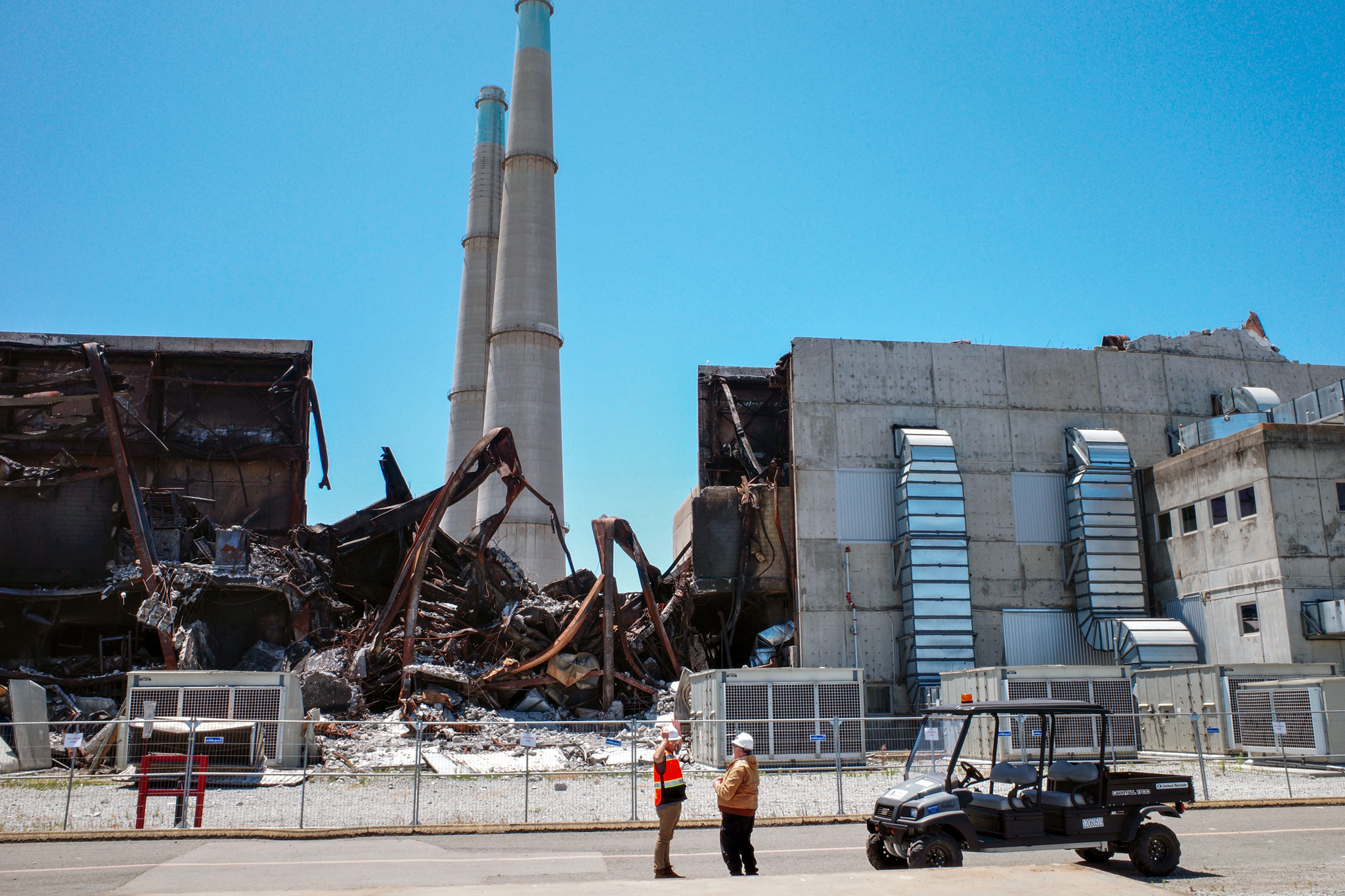
Before reaching the agreement with Vistra in July 2025 on the battery removal process, the following activities were completed on site:
- Disconnected (delinked) batteries from the building’s infrastructure for safety.
- Removed fire debris with asbestos from part of the damaged building.
- Debris was safely transported and disposed of at the Forward Landfill. The landfill is in Manteca, Calif., about 135 miles northeast of Monterey.
- Removed about 586,300 gallons (about as much as an Olympic-sized swimming pool) water that was stored in tanks on the property. The water was sampled, determined to be non-hazardous and sent for disposal.
March-July, 2025
- Negotiated agreement outlining Vistra’s obligations and clarifying the EPA’s expectations for the battery removal process.
- Developed and performed thorough technical reviews on over 30 detailed plans and procedures in preparation for safe battery removal, partial building demolition, and building stabilization.
March 13, 2025
- Battery delinking complete.
February 22, 2025
- Battery delinking begins.
February 18, 2025
- Flareup inside building occurs, causing smoke in the building. Visible flareup subsided.
- State of California Environmental Protection Agency requests EPA lead the oversight of Vistra’s battery removal work.
January 22, 2025
- EPA issues Notice of Federal Response Action to Vistra.
- The notice documents why an urgent response to the fire is needed.
- It also outlines the work that needs to be done to address hazardous substances on the site.
- Vistra confirms it will voluntarily do the response.
- EPA then begins providing technical assistance to Vistra for the battery removal process and reviews Vistra's plans for battery removal.
January 20, 2025
- After smoke subsides, EPA consults with Monterey County and transfers air monitoring stations to Vistra.
January 18, 2025
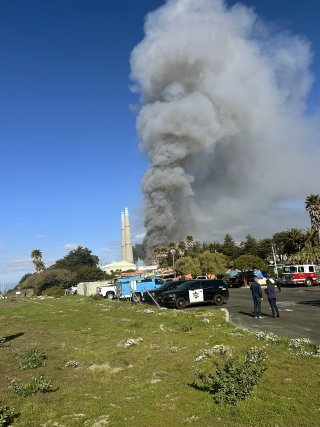
- Fire goes out.
January 17, 2025
- EPA begins perimeter air monitoring early the morning of Jan. 17.
- EPA sets up nine air monitoring locations at and around the site.
- The monitors look for mineral acid gases (like hydrogen fluoride) and particulates.
January 16, 2025
- Battery fire starts at Vistra's energy storage facility. The facility has about 100,000 battery modules.
- Local agencies respond and request EPA assistance with perimeter air monitoring.
What caused the fire?
Vistra, and the battery manufacturer, are still investigating the cause of the fire.