


Biological Contaminants and Indoor Air Quality
Biological contaminants can negatively impact the air we breathe indoors, the health of building occupants and the structure of the buildings in which we live and work. On average, people spend about 90 percent of their time indoors, where much of their exposure to biological contaminants occurs. This page describes the different types of biological contaminants commonly found indoors, how they affect our health and buildings and how to reduce exposure to them.
On this page:
- What are Biological Contaminants?
- Biological Contaminants and Health
- Reducing Exposure to Biological Contaminants Indoors
- Additional Resources
On other pages:
What are Biological Contaminants?
Biological contaminants include bacteria, viruses, fungi such as mold, dust mites, pollen, pet allergens and pests (such as rodents, cockroaches and other insects) and their droppings and body parts.
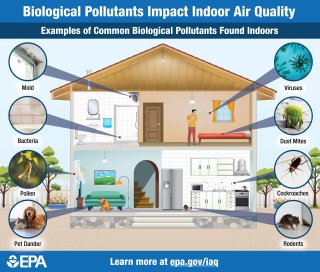
Biological contaminants can come from the outdoors or be generated indoors. They can be found indoors in the air, in drinking water and on surfaces. Biological contaminants can make their way indoors through windows, doors, poorly maintained ventilation systems, plumbing and cracks and holes in a building’s exterior and foundation. Moist areas, such as poorly ventilated bathrooms, can encourage the growth of biological contaminants, like mold, and attract pests. Household dust, which can be stirred up into the air during normal indoor activities, can contain many biological contaminants. People and pets can also track biological pollutants indoors or shed them indoors (e.g., pet allergens).
In addition to harming people’s health, indoor biological contaminants and moisture problems can compromise a building’s structure and reduce its lifespan. For example, mold can deteriorate building materials, and pests can cause damage by eating building materials or creating nests. These problems can be costly if not addressed.
Biological Contaminants and Health
Exposure to biological contaminants is associated with a variety of health impacts, which vary according to the type of biological contaminant, rate of exposure, and other factors. Some individuals can be more sensitive to exposure to certain biological contaminants. Additionally, children, pregnant women, older adults, and individuals with preexisting medical conditions can be more vulnerable to many types of biological contaminants. Below are examples of health effects associated with biological contaminants.
- Common Respiratory Viruses: Common respiratory viruses, such as influenza (flu) and respiratory syncytial virus (RSV), can spread easily indoors through the air and on surfaces.
- Asthma and Allergy Triggers: Mold, dust mites, pollen, pet allergens, and pests like mice and cockroaches can cause asthma symptoms (including coughing, chest tightness, wheezing and trouble breathing) and allergic reactions (including nasal passage inflammation, allergic rhinosinusitis, and headaches).
- Legionella: Legionella bacteria can cause Legionnaires' disease, a serious type of pneumonia, and Pontiac fever, a mild respiratory illness. Legionella can grow in water systems in the premise plumbing of buildings (in hot water heaters, storage tanks and pipes), cooling towers, decorative fountains, and hot tubs. People are exposed to Legionella when they inhale water droplets containing the bacteria.
Reducing Exposure to Biological Contaminants Indoors
Reducing risks from biological contaminants is important for maintaining the health of building occupants and the integrity of buildings. However, not everything of biological origin represents a potential health or safety issue indoors. Nor is it possible or desirable to completely remove them from indoor spaces.
The following three strategies for improving indoor air quality can prevent or minimize biological contaminants indoors:
- Source control: First, prevent conditions (e.g., excessive moisture) that allow biological contaminants to multiply or make their way indoors and manage known biological contaminants present indoors (e.g., pest management, regular cleaning). Usually, this is the most effective way to address indoor air quality problems.
- Ventilation: Second, dilute and remove biological pollutants from indoor air. This is typically achieved by bringing in outdoor air — when outdoor conditions allow and it is safe to do so — as well as using kitchen and bathroom exhaust fans when appropriate.
- Filtration and Air Cleaning: Supplement source control and ventilation with filtration and air cleaning technologies to help remove biological pollutants from the air.
The sections below describe how to use these strategies to minimize the impact of biological contaminants on the indoor environment and your health.
Source Control
Cleaning and Personal Habits
Practice Good Personal Hygiene Habits: Practicing good hygiene is a core prevention strategy to lower the risk from respiratory viruses. Covering coughs and sneezes and regularly washing hands can reduce the spread of germs that make people sick.
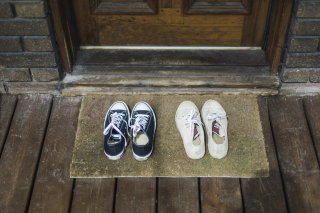
Stop Dust at the Door: Using doormats at exterior doors and leaving shoes at the door can reduce tracked-in dust and dirt that contains biological contaminants. Wiping your pet’s feet before they come indoors can help too.
Clean Regularly: Regular cleaning can keep biological contaminants from building up and discourages pests. Consider the following activities:
- Immediately fix leaks and other visible moisture issues and clean up visible mold with clean water and a detergent. Dry the area completely.
-
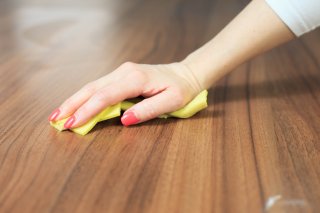
Routinely vacuum carpets and fabric-covered furniture, dust hard surfaces with a damp cloth, damp-mop floors, and wash household linens. People with allergies or asthma may need to clean more often or more extensively. Learn how to control common indoor environmental asthma triggers.
- If using cool mist or ultrasonic humidifiers, clean these appliances according to the manufacturer's instructions and change out the water as directed. Use distilled water to reduce the potential for dispersing minerals into the air. Learn more about the Use and Care of Home Humidifiers.
Use Caution When Cleaning with Household Cleaning Products:
When used inappropriately, chemicals found in some cleaning products can cause health problems, including headaches and eye, nose and throat irritation. When using these products:
- Carefully read the label and follow all directions.
- If the product is not ready-to-use, prepare it at the correct strength. This is often called “dilution” or “use dilution” on the product label.
-
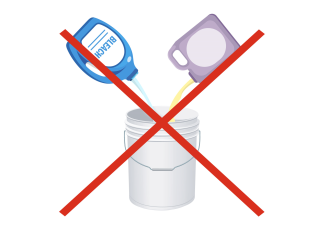
NEVER MIX CLEANING PRODUCTS Check the product label for a list of compatible and incompatible surfaces. Some products can damage certain surfaces.
- Increase ventilation during dilution, use and after cleaning. Open windows or doors to reduce exposure.
- If you experience health symptoms, consider trying a different product.
- Never mix cleaning products together or add bleach to other chemicals. Mixing cleaning products can create toxic vapors.
Some household cleaning products contain antimicrobial ingredients that are intended to kill microorganisms. If you use an antimicrobial cleaning product:
- Antimicrobial products are a type of pesticide and usually have an EPA registration number like “EPA Reg. No. 1234-12” on the product label. When using EPA-registered products, always follow the label directions.
- Antimicrobial products work best on clean surfaces. Dirt and debris can deactivate them.
- Many antimicrobial products are not intended for use on surfaces that absorb water, like fabrics or upholstery. Follow the label instructions.
- Antimicrobial products take time to work. Make sure the surface stays wet with the product for the correct length of time. On the product label, this is sometimes called the “contact time.”
Learn the difference between products that disinfect, sanitize and clean surfaces.
Integrated Pest Management
Integrated pest management or IPM is a combination of approaches used to control indoor pests that can, in turn, reduce exposure to certain biological contaminants. IPM focuses on preventing pests by removing conditions that attract them, such as food, water and shelter. Things you can do to prevent pests include:
- Reducing clutter
- Sealing areas where pests enter the building
- Maintaining clean dining and food storage areas
- Cleaning dishes, crumbs and spills right away
- Storing food in airtight containers
- Removing standing water
- Using barriers to prevent pests from entering the building
When pest control is necessary, IPM encourages using the most effective, lowest risk options considering the risks to the applicator, building occupants, and the environment.
For more information about environmentally friendly, common-sense approaches to controlling pests indoors, visit EPA’s website Got Pests? Control Them Safely.
Moisture Control
Uncontrolled indoor moisture can support unwanted biological growth. Moisture in buildings can come from many sources. Water can enter your building by leaking in from outside or by seeping through basement floors. Showers or even cooking can add moisture to the air in your building. When humid air contacts a cold surface, water vapor can condense, much like when moisture condenses on the outside of a cold glass of water on a humid day.
It is important to control unintended moisture in indoor spaces that are both occupied and unoccupied, such as between interior and exterior walls. To control moisture indoors, follow these three basic principles:
- Control sources of water and moisture. Ensure water does not accumulate inside or around the building.
- Fix water and moisture problems promptly.
- When materials become wet, thoroughly dry them as soon as possible, ideally within 24-48 hours. Consider removing and replacing materials that can’t be cleaned and dried.
- Do not enclose, seal, or paint materials that are wet or show signs of biological contaminant growth, such as mold.
- Control indoor humidity and condensation. Keep indoor relative humidity below 60 percent indoors, and ideally between 30-50 percent.
- Select the right materials for areas that may get wet. Choose materials that do not absorb water and are stable when wet. For example, polyvinyl chloride or PVC molding could be installed in a bathroom instead of a porous material, such as wood.
You can find guidance on implementing these three basic principles by visiting:
- A Brief Guide to Mold, Moisture and Your Home (Moisture and Mold Prevention Control Tips)
- Moisture Control Guidance for Building Design, Construction and Maintenance (pdf)
Ventilation
Increasing ventilation can decrease indoor air pollution, including biological contaminants.
- Open doors and windows to bring in fresh outdoor air when outdoor air quality and weather permit, and it is safe to do so. Promote the movement of air through the building by opening windows or doors on opposite sides of the building and keep internal doors open.
- If you have a mechanical ventilation system, ensure it is installed, operated, and maintained according to the manufacturer’s instructions. This may involve regular inspection, cleaning and changing filters.
- Use a bathroom fan that vents to the outdoors or open a window (if conditions allow) during and after a shower to exhaust the moisture to the outdoors. Use a range hood or fan that vents to the outdoors when cooking, which can also generate moisture.
- In warm and humid climates, outdoor air that is warmer than indoor air can bring in additional moisture even when its relative humidity is lower. While air conditioning use can reduce humidity, if indoor humidity is consistently above 60%, then a specific dehumidification strategy should be employed.
For more information about ventilation, visit Improved Ventilation.
Filtration and Air Cleaning
In combination with source control and ventilation, you can use filters in heating, ventilation and air conditioning systems as well as portable air cleaners to reduce airborne contaminants, including particles containing biological contaminants. Filtration should be used to supplement the other strategies because they can remove some, but not all, biological contaminants in the air.
Central heating and cooling filtration and portable air cleaners can be used to complement each other. Most central heating and cooling system filters are designed to filter air throughout the entire area served by the central heating and cooling system, whereas portable air cleaners are designed to filter the air in a single room. For more information about selecting HVAC filters and portable air cleaners, see EPA’s Guide to Air Cleaners and Air Filters in the Home.
Additional Resources
- Consumer Product Safety Commission: Biological Contaminants in Your Home
- National Academies of Sciences, Engineering and Medicine:
- Centers for Disease Control and Prevention: Healthy Housing Reference Manual — Chapter 5: Indoor Air Pollutants and Toxic Materials