


Tribal IAQ Resource Directory: Home Heating, Cooking and Energy

Overview
Some appliances used for home energy, heating and cooking, such as wood stoves, gas stoves, gas furnaces, and portable generators can generate indoor air pollutants. Generally, appliances that burn fuel (e.g. wood, gas) can produce fine particle pollution and gases such as carbon monoxide (CO) and nitrogen dioxide (NO2). Cooking itself can also produce indoor air pollutants.
Carbon Monoxide
Carbon monoxide (CO) is an odorless, colorless, and toxic gas. The effects of CO exposure can vary greatly from person to person depending on age, overall health and the concentration and length of exposure. At low concentrations, CO exposure can cause fatigue in healthy people and chest pain in people with heart disease. At higher concentrations, CO exposure can cause impaired vision and coordination, headaches, dizziness, confusion and nausea. It can also cause flu-like symptoms that clear up after leaving home. At moderate concentrations, CO exposure can cause angina, impaired vision, and reduced brain function. At higher concentrations, CO exposure can be fatal.
To protect your health and reduce CO exposure, it is important to be sure combustion equipment is maintained and properly adjusted. Sources of CO include unvented kerosene and gas heaters, leaking chimneys and furnaces, wood or gas stoves, generators, automobile exhaust, etc.
Carbon Monoxide can be deadly!
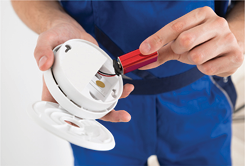
All homes and buildings should have CO alarms - they save lives. Install battery-operated CO detectors near every sleeping area in your home and check them regularly to be sure they are functioning properly.
Carbon Monoxide Resources
 EPA’s Carbon Monoxide Page
Covers a variety of information including an overview of carbon monoxide, sources of CO, health effects at both low and high concentrations, steps to reduce exposure and measurement methods.
Tribal Air Monitoring Support (TAMS) CenterContact the TAMS Center staff who can help you choose the best equipment option(s) for your specific needs and answer CO monitoring questions.
CDC’s Carbon Monoxide PageIncludes learning tools regarding carbon monoxide. CDC also has tools and links to CO factsheets, FAQ’s and information about CO and boating.
EPA’s Generator Safety InformationInformation and a helpful graphic to help people use portable generators safely and avoid carbon monoxide poisoning and other possible hazards.
Johns Hopkins Carbon Monoxide Poisoning PageStraight-forward question and answers about CO poisoning including understanding what causes carbon monoxide poisoning, its symptoms, and how it’s treated.
USFA's Carbon Monoxide Poisoning Prevention PageThe U.S. Fire Administration has community outreach materials to raise awareness and action to prevent CO poisoning.
Residential Woodsmoke
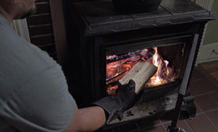
Reduce risk: Burn the right wood, the right way, and in the right appliance
Wood smoke may smell good, but it’s not good for you. The biggest health threat from wood smoke is from fine particles. These microscopic particles can get into your eyes and respiratory system, where they may cause burning eyes, runny nose, and illnesses, such as bronchitis. Fine particles can make asthma symptoms worse, trigger heart attacks, stroke and other conditions, especially in people who are already at risk for these conditions.
Residential Woodsmoke Resources
EPA’s Best Wood-Burning PracticesIncludes information on the benefits of burning dry, seasoned wood, how to store wood, and links to best burn practices videos, including 4 Easy-to-Build Structures to Store Firewood.
EPA’s Wood Burning Resources for TribesResources for Tribal air agency partners to facilitate the wiser use of burning wood, including guides, sample regulations, and Tribal case studies.
Tribal Healthy Homes Network Woodsmoke PageIncludes presentations, webinars, public service announcements, and other resources about wood smoke and creating healthy communities.
Navajo Nation Wood Stove Changeout ProgramA PowerPoint presentation that outlines the Navajo Nation’s Wood Stove Changeout Program that details the challenges, implementation strategies, and benefits of their program. They also created an outreach video to teach proper use and maintenance of wood stoves.
EPA’s Installation and Maintenance PageFacts about the importance of properly sizing and venting wood-burning appliances, and inspection by a certified professional chimney/stove inspector.
EPA’s Burn Wise Program Education ToolsIncludes links to free educational tools (e.g., Tribal Wet Wood is a Waste brochure) to help Tribal members burn wood more efficiently and safely.
NTAA Wood Smoke WebpageIncludes a 3-part webinar series on wood stove health impacts and changeout programs in Tribal communities. There is also a wood smoke workgroup that anyone can join.
Nez Perce Wood Stove Changeout Program ReportA report of the Nez Perce Reservation’s wood stove changeout program that highlights how the program was conducted, the challenges of implementation, and lessons learned. They also published a paper in "Science of the Total Environment".
For more healthy homes resources, see the Healthy Homes, Schools, and Buildings section.
 Previous: