U.S. flag

An official website of the United States government

Here’s how you know

Dot gov

Official websites use .gov
A .gov website belongs to an official government organization in the United States.

HTTPS

Secure .gov websites use HTTPS
A lock (LockA locked padlock) or https:// means you’ve safely connected to the .gov website. Share sensitive information only on official, secure websites.

    • Environmental Topics
    • Air
    • Bed Bugs
    • Chemicals, Toxics, and Pesticide
    • Emergency Response
    • Environmental Information by Location
    • Health
    • Land, Waste, and Cleanup
    • Lead
    • Mold
    • Radon
    • Research
    • Science Topics
    • Water Topics
    • A-Z Topic Index
    • Laws & Regulations
    • By Business Sector
    • By Topic
    • Compliance
    • Enforcement
    • Guidance
    • Laws and Executive Orders
    • Regulations
    • Report a Violation
    • Environmental Violations
    • Fraud, Waste or Abuse
    • About EPA
    • Our Mission and What We Do
    • Headquarters Offices
    • Regional Offices
    • Labs and Research Centers
    • Planning, Budget, and Results
    • Organization Chart
    • EPA History

Breadcrumb

  1. Home
  2. Indoor Air Quality (IAQ)
  3. Tribal Indoor Air Quality Resource Directory

Tribal IAQ Resource Directory: Commercial Tobacco and Secondhand Smoke

a colorful divider bar

Overview

Secondhand smoke, classified by EPA as a Group A carcinogen, contains more than 7,000 substances. Secondhand smoke exposure commonly occurs indoors, particularly in homes and cars. Secondhand smoke can move between rooms of a home and between apartment units. Secondhand exposure to cigarettes, cannabis, and other substances can cause serious health problems. Opening a window or increasing ventilation in a home or car is not protective from secondhand smoke.

a person lighting a cigarette with a baby looking on in the background
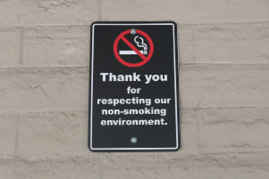
a no smoking sign on outside a buidling.

1 in 4 Native American adults use commercial tobacco, often impacting indoor air quality for non-smokers.

Secondhand smoke exposure poses serious health threats to children and adults, and there is no safe level of exposure.

Tribal governments can implement smoke-free policies to protect their people from second-hand smoke.

Did You Know...

Thirdhand smoke is residue from tobacco smoke that adheres to dust and surfaces. It may cause health impacts for some occupants.

a colorful divider bar

Commercial Tobacco and Secondhand Smoke Resources

computer cursor pointing right The American Indian Commercial Tobacco Program
A free program to help American Indians quit smoking which includes coaching and other resources upon enrollment.
computer cursor pointing right  Thirdhandsmoke.org
Presents research, fact sheets, FAQs, and webinars about thirdhand smoke.
computer cursor pointing right  EPA’s Secondhand Smoke and Smoke-Free Home
Offers information about secondhand smoke, including health effects, reducing exposure, and a look at national progress on secondhand smoke reduction.

computer cursor pointing right  Financial Benefits of Smoke-Free Casinos
An easily distributable video that outlines the economic incentives to convert casinos to smoke-free facilities.

computer cursor pointing right  HUD's Smoke Free Housing Toolkit
Although not specifically developed for Tribes, the resources included in this "Toolkit for Owners/Management Agents of Federally Assisted Public and Multi-family Housing" may be useful when converting buildings into smoke-free housing. 

computer cursor pointing right  Native Tobacco Project
From the United Indian Health Services, this website is a good source of information on secondhand smoke, thirdhand smoke, and smoke-free buildings.

computer cursor pointing right  National Native Network’s “Keep it Sacred”
Offers technical assistance and culturally relevant resources. Notably, their Tribal Policy Toolkit contains many assessment documents, policy examples, media resources, and more.
computer cursor pointing right  Smoke-Free Tribal Housing Policies
This Public Health Law Center resource details how to implement smoke-free policies effectively while honoring traditional and sacred uses of tobacco.
computer cursor pointing right  Keep Tobacco Use Sacred
An e-guide by AASTEC that offers specific policies and actions that address the community health risks of tobacco use and secondhand smoke.

computer cursor pointing right  CDC Smoke-Free Buildings
Offers statistics in support of creating smoke-free environments in homes and establishments.

computer cursor pointing right  CDC’s American Indian Adult Tobacco Survey Manual
Enables Tribes and Tribal organizations to assess the knowledge, beliefs, and attitudes of Tribal members with regard to commercial tobacco use.

computer cursor pointing right  CDC’s Protect our Children and Traditions Brochure
A tribal resource developed to spread information and awareness to Tribal communities about the threats of secondhand smoke.

a colorful divider bar

E-Cigarettes, Cannabis and Meth Resources

computer cursor pointing right  Policy Tools to Address Vaping in Tribal Communities
A webinar that includes basic information about e-cigarettes (vapes), policy examples, and additional tools for Tribes to address e-cigarette use in their community.
computer cursor pointing right  E-Cigarette Use Among Youth and Young Adults
A fact page from the Surgeon General about the health risks and usage trends in youth and young adults.

Policy Highlight:

The Confederated Salish and Kootenai Tribes of the Flathead Reservation Meth Cleanup Policy details specific cleanup standards for meth-contaminated properties owned by the Tribe.
 

computer cursor pointing right  Keep it Sacred E-Cigarette Page
Information from the National Native Network about e-cigarettes, including fact sheets and information about usage among Native American youth.
computer cursor pointing right  American Lung Association Marijuana Smoke Page
Information about cannabis (marijuana) smoke and how to protect non-smokers from the potential health effects of secondhand cannabis smoke.
computer cursor pointing right  Tribal Meth Use and Implications for Child Abuse
The Tribal Law and Policy Institute presents a publication titled: Perceptions of Methamphetamine Use in Three Western Tribal Communities: Implications for Child Abuse in Indian Country. This publication explores the intersection of the meth epidemic affecting many Tribal communities and child abuse.

arrow pointing to the left Previous:  Radon
Next: Home Heating, Cooking and Energy computer cursor pointing to the right

Indoor Air Quality (IAQ)

  • Learn about Indoor Air Quality
  • IAQ by Building Type
  • Indoor Air Pollutants and Sources
  • IAQ Science and Technologies
  • Networking and Funding
  • Webinars, Meetings and Resources
  • IAQ Trending Topics
  • IAQ Frequently Asked Questions
  • Publications about IAQ
  • Regional and State IAQ Information
  • Tribal Indoor Air Quality Resource Directory
    • Healthy Homes, Schools, and Buildings
    • Asthma
    • Mold and Moisture
    • Radon
    • Commercial Tobacco and Secondhand Smoke
    • Home Heating, Cooking and Energy
    • Disaster Preparedness & Mitigation
    • Disaster Response & Recovery
    • Alaska Resources
    • Funding
    • Helpful IAQ Contacts
Contact Us about Indoor Air Quality
Contact Us about Indoor Air Quality to ask a question, provide feedback, or report a problem.
Last updated on April 30, 2026
  • Assistance
  • Spanish
  • Arabic
  • Chinese (simplified)
  • Chinese (traditional)
  • French
  • Haitian Creole
  • Korean
  • Portuguese
  • Russian
  • Tagalog
  • Vietnamese
United States Environmental Protection Agency

Discover.

  • Accessibility Statement
  • Budget & Performance
  • Contracting
  • EPA www Web Snapshot
  • Grants
  • No FEAR Act Data
  • Plain Writing
  • Privacy and Security Notice

Connect.

  • Data
  • Inspector General
  • Jobs
  • Newsroom
  • Regulations.gov
  • Subscribe
  • USA.gov
  • White House

Ask.

  • Contact EPA
  • EPA Disclaimers
  • Hotlines
  • FOIA Requests
  • Frequent Questions
  • Site Feedback

Follow.