U.S. flag

An official website of the United States government

Here’s how you know

Dot gov

Official websites use .gov
A .gov website belongs to an official government organization in the United States.

HTTPS

Secure .gov websites use HTTPS
A lock (LockA locked padlock) or https:// means you’ve safely connected to the .gov website. Share sensitive information only on official, secure websites.

    • Environmental Topics
    • Air
    • Bed Bugs
    • Chemicals, Toxics, and Pesticide
    • Emergency Response
    • Environmental Information by Location
    • Health
    • Land, Waste, and Cleanup
    • Lead
    • Mold
    • Radon
    • Research
    • Science Topics
    • Water Topics
    • A-Z Topic Index
    • Laws & Regulations
    • By Business Sector
    • By Topic
    • Compliance
    • Enforcement
    • Guidance
    • Laws and Executive Orders
    • Regulations
    • Report a Violation
    • Environmental Violations
    • Fraud, Waste or Abuse
    • About EPA
    • Our Mission and What We Do
    • Headquarters Offices
    • Regional Offices
    • Labs and Research Centers
    • Planning, Budget, and Results
    • Organization Chart
    • EPA History

Breadcrumb

  1. Home
  2. Indoor Air Quality (IAQ)
  3. Tribal Indoor Air Quality Resource Directory

Tribal IAQ Resource Directory: Asthma

a colorful divider bar

Overview

Asthma is a serious, sometimes life-threatening chronic respiratory disease that affects the quality of life for more than 26 million people living in the United States, including 4.5 million children. Although there is no cure for asthma yet, asthma can be controlled through management of environmental triggers and medical treatment. Several factors found in both indoor and outdoor environments can cause or trigger an asthma episode or make asthma symptoms worse. The resources below explain more about asthma basics and triggers and highlight successful community-based asthma initiatives. 

small children sitting on the floor with their teacher
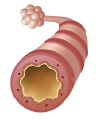
a normal airway before an asthma attack
Normal airway
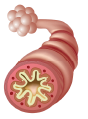
an airway during an asthma attack
Airway during asthma attack

Between 2019 and 2021, 42% more cases of asthma were reported among American Indian/Alaska Native children compared to children from the total population.

Tribes with targeted asthma programs, enjoy measurable health and community benefits.

Asthma is affected by outdoor air quality, and can also be triggered indoors by wood smoke, tobacco smoke, mold, cleaners, pests, and more.

Asthma can be managed!

  1. Avoid or reduce triggers.
  2. Have an Asthma Action Plan.
  3. Check in with your healthcare providers.
a colorful divider bar

Resources

Did you know...

  • School environments can play a huge role in promoting the health of children with asthma? Resources for schools can be found in the Healthy Homes, Schools and Buildings section. That ection also includes Integrated Pest Management resources. IPM reduces allergens, which can trigger asthma symptoms or contribute to the onset of asthma.
  • General Assistance Program (GAP) funding can be used for asthma programs? Clean Air Act 103 and 105 grants may also be used for asthma work. See the Funding section for more information.
computer cursor pointing right  Asthma Community Network
An online network designed for community-based asthma programs and organizations that sponsor them—including representatives of health plans and providers, government health and environmental agencies, nonprofits, coalitions, schools and more.
computer cursor pointing right EPA’s Asthma Website 
A central hub for information about asthma. Includes publications about asthma, deliverables and factsheets, and lists of various organizations dedicated to asthma and health.
computer cursor pointing right  In-Home Asthma Care Tribal Pilot Project 
A webinar about how a multidisciplinary team was formed in EPA Region 10 to fund and implement Tribal in-home care programs for asthma. Covers the opportunities and barriers to expanding in-home asthma care in Native communities.
computer cursor pointing right  Tribal Healthy Homes Network Asthma Resources
A resource page curated specifically for Tribal audiences. Includes links to deliverables and a webinar about taking asthma triggers into account during home inspections.

computer cursor pointing right  American Lung Association Asthma Webpage
A high-quality source of asthma information for a variety of audiences. The ALA has many ongoing asthma programs and initiatives.

computer cursor pointing right  Lung.org Asthma Triggers
Resources to identify environmental asthma triggers and how to address many of them in the home.

computer cursor pointing rightThe Institute for Tribal Environmental Professionals
A series of webinars from Northern Arizona University discussing asthma basics, environmental triggers, asthma educational resources, and research on asthma home and school visits in Tribes.
computer cursor pointing right  EPA’s Asthma Home-Visit Program Resources
A webpage that includes a guide for implementing home-visit programs and a home environment checklist that can help facilitate visits to assess possible asthma triggers in the home.
computer cursor pointing right  CDC’s Asthma Resources for Health Care Providers
Provides asthma resources for Public Health Professionals. See also CDC’s information to help people develop individualized Asthma Action Plans alongside their healthcare providers and the fact sheet on Asthma Care Before, During, and After a Hurricane, Tropical Storm, or Flooding.

computer cursor pointing right  American Academy of Allergy, Asthma and Immunology
Information regarding asthma advocacy, conditions and treatments, and training tools, including information on COVID-19 and asthma. There are also up-to-date allergy forecasts for your area.

computer cursor pointing right  Tribal Healthy Homes Network Green Cleaning
A resource page curated specifically for Tribal audiences with green cleaning recipes.

Research Highlight:

Cover of the Indoor Chemistry Report

Why Indoor Chemistry Matters - A Consensus Study Report

This National Academies of Sciences, Engineering, and Medicine (NASEM) consensus study report identifies gaps in current research and understanding of indoor chemistry and new approaches that can be applied to measure, manage, and limit chemical exposures. 

Download a copy of the report.


arrow pointing to the left Previous: Healthy Homes, Schools, and Buildings
Next: Mold and Moisture computer cursor pointing to the right

Indoor Air Quality (IAQ)

  • Learn about Indoor Air Quality
  • IAQ by Building Type
  • Indoor Air Pollutants and Sources
  • IAQ Science and Technologies
  • Networking and Funding
  • Webinars, Meetings and Resources
  • IAQ Trending Topics
  • IAQ Frequently Asked Questions
  • Publications about IAQ
  • Regional and State IAQ Information
  • Tribal Indoor Air Quality Resource Directory
    • Healthy Homes, Schools, and Buildings
    • Asthma
    • Mold and Moisture
    • Radon
    • Commercial Tobacco and Secondhand Smoke
    • Home Heating, Cooking and Energy
    • Disaster Preparedness & Mitigation
    • Disaster Response & Recovery
    • Alaska Resources
    • Funding
    • Helpful IAQ Contacts
Contact Us about Indoor Air Quality
Contact Us about Indoor Air Quality to ask a question, provide feedback, or report a problem.
Last updated on April 30, 2026
  • Assistance
  • Spanish
  • Arabic
  • Chinese (simplified)
  • Chinese (traditional)
  • French
  • Haitian Creole
  • Korean
  • Portuguese
  • Russian
  • Tagalog
  • Vietnamese
United States Environmental Protection Agency

Discover.

  • Accessibility Statement
  • Budget & Performance
  • Contracting
  • EPA www Web Snapshot
  • Grants
  • No FEAR Act Data
  • Plain Writing
  • Privacy and Security Notice

Connect.

  • Data
  • Inspector General
  • Jobs
  • Newsroom
  • Regulations.gov
  • Subscribe
  • USA.gov
  • White House

Ask.

  • Contact EPA
  • EPA Disclaimers
  • Hotlines
  • FOIA Requests
  • Frequent Questions
  • Site Feedback

Follow.